“Lighter Than Air” by Beverly Akerman

stoplight

Sandra caught the light at the intersection of Monkland and Decarie, rounding the
corner only to have the minivan plunge into gridlock.  “Shit,” she exclaimed. “Well
congratulations, Dan. You’ve managed to turn procrastination into an art form.  Fifteen
minutes last week. We’re definitely going to beat that today.”

“I just hate going,” Dan groused.  “He’s always asking ‘tell me how you feel.’ Every
appointment feels like one more hour lost from my life.”

It was April, two solid months of Dan resisting the counselling sessions.

“You’re twenty-two years old, you keep vampire hours, won’t go to school or find a job.
You’re either depressed or an asshole and at a hundred and twenty bucks an hour, this
guy’s going to figure out which,” Sandra retorted, aware that talking to him this way
disqualified her as mother-of-the-year.

The things she said to him: she regretted them as soon as they flew out of her mouth
but she just couldn’t seem to help herself.

“Honest to god Dan, some day we’ll both need therapy just for these trips to the
shrink’s,” she said.

He’d been a crier. Nights when he was a baby, she’d nursed him for hours, slipping her
fingers through his blond curls. And now . . . she lifted her eyes from the road and took
in the grotty t-shirt beneath the beige windbreaker, the grey stubble and lavender
smudges beneath bleary eyes. She reached a hand toward the lank brown hair hanging
over his face. Dan recoiled before she could touch him.

“When was the last time you washed your hair anyway, or took a shower?” She wrinkled
her nose. “I’m guessing it’s been awhile.”

“Love you too, Ma,” Dan said. A white ear bud lay on his shoulder like a giant flake of
dandruff, the other one anchoring him to his MP3 player. Sandra heard the annoying
crash of cymbals. These kids, living lives accompanied by their own personal
soundtracks.

“You waste your life on that sofa, channel surfing.” Sandra blasted the horn as a red
sports car cut in front of her.

“Selfish bastard,” she growled. “I just don’t want you to end up like your cousin Rhona.

She was hospitalized twice last year, doesn’t even remember the first time. Imagine.
She’s been getting electric shock therapy every month for a couple of years now. Must
be lots she doesn’t remember.”

“What for?”

“Eh?” Sandra pressed again on the horn.

“The shock therapy. What’s it for?”

“Oh, you know. ‘Bad thoughts,’ she calls them. About killing herself.”

“You don’t think so?”

“I think she’s just looking to punish her parents for something they don’t even know
they’ve done.”

“I can’t imagine anything shock therapy could make better,” Dan said.

The red light had them pinned beside a new big box mall. Sandra craned her neck to
look up at a series of inflatables, the bright colours and patterns of hot air balloons.
They swayed overhead, straining against invisible tethers. The light went green. As the
traffic began to move, Sandra found she had to struggle to remain focused on her
driving. She felt something akin to panic–her heart thumping, her throat suddenly
constricted, and a sweaty sheen blooming on her face.

“Well, if holding a knife to your wrist for a couple of seconds once in a while means she
needs to be hospitalized, you can bet most of us do,” Sandra said.

“Anyway, does it matter what you think?”

Sandra banged on the steering wheel and turned to glare at her son.

“They say these things run in families, did you know that, Dan? See any parallels here?”

Really, part of her wondered, how far would she go? Damn, damn, damn. She hated
herself for this, verbal diarrhea.

“Maybe. I just haven’t tried to kill myself yet,” he said.

“Well thank god for small miracles. Just quit fucking up your life like this.”

“Ever occur to you that it’s my life and if I fuck it up, that’s my choice? My choice, Ma.
Nothing to do with you, okay? Nothing at all.”

“If you ever have a child, you’ll know why I’ll never accept that.”

She imagined Dan and the psychologist together, silent, gazing out the window at those
bobbling balloons. She was relieved he was about to be someone else’s problem for a
while. They jolted to the curb in front of an unadorned beige office building. “Maybe
next week you’ll take the bus, eh? I can’t take these rides anymore. The traffic kills
me,” she said.

Dan had the door open before the van was stopped completely. Jumping out, he spat
“see ya, Ma,” at her before the door crashed back into its frame. The minivan jumped
back into the traffic, tires squealing. Sandra shook her head. She couldn’t blame Dan for
slamming the door, not a bit.

“Middle age,” Sandra said to Jillian. “I look back and see, if not failure exactly, just a
notable lack of success.”

They were on the terrasse of a crowded bistro, everyone hungry for the sun in the
early days of Montreal’s short, sharp spring. Sandra dug round her purse for sunglasses,
came up empty-handed and sighed. Jillian poured more wine in their glasses from a
bottle sweating on the table.

“Don’t be thinking so hard all the time, okay?” Jillian said. “One day you’re going to hurt
yourself.”

“Hunh. Your life’s so uncomplicated. Divorced, no kids. You do what you want, when
you want.”

“Right. And if I died tomorrow, it might be a week before anyone noticed. Even after
they did, most of them’d hardly pay me more than an occasional thought. But do I really
give a shit? This is who I am, take it or shove it.” Jillian pulled a crushed box of cherry
flavoured cigarillos from her bag. A man in his twenties at the next table offered her a
light with a Gallic flourish.

“A son who’s failed to launch, a husband spending all his time on the other side of the
world, a research job going down the drain. Cry me a river. As lives go, yours isn’t really
that tragic. Isn’t there anything you’ve ever dreamt of doing? This is the time, dammit.
We’re not going to get many more chances.”

Sandra moved an orphan cherry tomato in the dregs of the balsamic dressing.

“All I ever wanted was to do research, have my own lab. I thought I’d be saving the
world, you know?”

After she her Master’s, Sandra had been thrilled to find work creating a mouse model of
diabetes. But looking back, it all seemed pretty thin. She was so sure then they would
find a cure, that all her hard work would be building something worthwhile. Instead, all
she’d done was prove the disease settled in layers she would excavate, like an
archaeologist.

“And to think I killed thousands of mice just for that . . .” Sometimes Sandra thought of
her career as little more than a murine holocaust. She’d had disturbing dreams lately,
herself a Pied Piper trailed by hordes of pirouetting headless white mice.

Their waiter arrived and placed steaming plates of pasta before them. Sandra watched
Jillian and the waiter make the grinding of pepper and the grating of Parmesan sexually
suggestive. Jillian’s cigarillo lay in an ashtray; smoke rose in a slow spiral.

When the waiter left, Sandra said, “how do you do that?”

“Do what?”

“Forget it.” She sighed. Sandra sipped her wine, twirled noodles round her fork, then put
it down. “I just never thought things would turn out this way. I had so many plans.”

“You got pregnant and gave up on having your own lab.”

“You make it sound like I did it on purpose.”

“You said, I didn’t.”

“Shit happens. I made the responsible choice. Isn’t that what being an adult’s all about?”

“Honey, we’re each of us a work in progress. Stop being so hard on yourself.” Jillian
caught the eye of the man with the lighter and smiled.

Sandra made a little moue and took a pull from her wineglass, wishing it contained
something stronger than Chardonnay. “There is this new guy at the institute, works in
psychogenetics.”

Jillian raised an eyebrow. “Go on,” she said.

“He gave a lecture on the genetic predisposition to suicide. Hemingway’s the classic
example: his father killed himself and so did two of his siblings, one of his kids, even his
granddaughter Margaux. He’s asked me to work with him.”

“It is an important subject.”

“It means starting over again.”

“But you’ve got the technical smarts he needs, right?”

“Yeah,” Sandra conceded. “He’s got a collection of brain tissue samples from suicide
victims. He wants to do expression studies, says I could even do a PhD with him if I
want.”

“Sounds perfect. He needs you, you need a job.”

Sandra busied herself with her fettuccine for a moment. “It’s just . . . starting over like
this, makes me feel I’ve wasted my time the last twenty years.”

“What a load of crap, Sandra. Shit happens; sometimes you just have to roll with it.”

Sandra sighed again and tapped her fingernails on the marble tabletop. “All right, that’s
enough about me. Tell me what you’ve been up to lately.”

“Did I tell you I met this guy online a few weeks ago?”

“No. And? Have you slept with him yet?”

Jillian laughed and stabbed the half-smoked cigarillo into the remains of her pasta. “Not
quite, but I’m thinkin’ he’s definitely sponge-worthy.”

By mid-May, Sandra was trying to absorb some fifty scientific articles about suicide:
genetic and protein variants of tryptophan hydroxylase, serotonin transport proteins,
the psychology of suicidal ideation, and theories on impulsiveness, loss and resilience.

Many nights she sat alone in her living room with a glass of Bordeaux, ploughing through
reviews clogged with pedigrees, surprised to discover suicide rivalled breast cancer as a
cause of death, that nearly ten times as many Canadians killed themselves as died from
murder or AIDS. It astounded her to discover an epidemic of such scope and discretion.
Sandra learned the jargon, the difference between ‘attempters,’ ‘completers,’ and
‘survivors,’ the mourners left behind a ‘successful’ suicide.

In late May, Liam returned home for a couple of weeks and kept harping on all the
details he’d left hanging in Tianjin. He was gambling everything on this venture–their
savings, the equity in their home, money borrowed from her parents–all to set up a
plastics factory to make desks modelled after the hoods of famous Formula One cars.

It was after midnight. The two of them moved between the bathroom and the bedroom.
Water ran in short bursts. Around them the house held its breath.

“Wal-Mart’s sniffing around. If they bite, we could make a real killing,” Liam said.

“Mm-hmm,” said Sandra. She’d heard all this before.

“Come with me this time, Sandra,” he said, as he had before every trip for the past
eighteen months. And Sandra responded the way she always did, too. Their
conversation had gone past scripted to approach the ritualistic, the sighs, pauses and
harsh words appearing right on cue.

“We’ve been through this. I can’t. I’m wrapping things up in the old lab, trying to get up
to speed with the new stuff. And Dan’s so messed up right now.”

“He’s not a kid anymore, Sandra. He’s twenty-one-”

“Twenty-two,” she corrected.

“-old enough to stay on his own. Maybe it would do him good to have you out of his
business for a while, ever think of that?”

“Dan needs me,” she said.

“What if I need you? Your lab’s closing anyway. Isn’t this the perfect time to take a
break?”

For a moment, there was silence. “You can be a real bastard sometimes,” she finally
said. “It’s trivial to you, my lab shutting down. But for me it’s the end of something
huge.”

“Come with me this time, Sandy. Please. It’d be good for us.”  Maybe if he’d said this
while holding her, Sandra might have recognized his plea for what it was. Instead, Liam
was slipping his shirt over his head, unzipping and stepping out of his khakis and boxer
shorts. She still found him attractive: his middle had thickened but his pecs were well
defined, he’d managed to hold onto most of his hair, and she’d always relished the
strength in his thighs. She watched him slide into bed and prop himself up on the
pillows. His clothes remained puddled where they hit the floor.

“Good for you, you mean,” Sandra said, putting his shirt and underwear in the white
wicker basket, shaking his pants into their creases and hanging them in the closet.

“You’ll be busy with the thousand and one things only you can handle. And there I’ll be,
completely isolated, unable even to speak to anyone, in a place that couldn’t possibly
be more foreign.”

“If anyone imagines there’s a thousand and one things only they can manage, it’s you
babe.” Liam picked up The Economist from the night table, perched his reading
half-glasses on his nose, and peered over the top of them. “Is it so terrible to want you
in my bed all the time?”

Another of Sandra’s sore points: Liam arrived home after weeks away expecting a
Stepford wife, expecting a virtual fuck-a-thon. She felt something snap inside her. “You
want me in bed, you know where I am, dammit,” she said. What about all those nights
he was away when she wanted sex? “You’re the one chasing some goddam fantasy.
And even when you are here, you’re not really with us. You’re really still back there,
dreaming.” Sandra had put on an old pair of flannel pyjamas and a white tank top. She
picked up a jar of aloe cream from the night table, opened it, and rubbed the cream
hard into her skin. A green scent filled the air.

“I’m just trying to build something there. For all of us.”

“Thanks but no thanks, okay? My life is here. I can’t just blow it off because you
nurture some pathetic pipe dream.”

Silence arrived so suddenly, it made her ears ring. Sandra noisily closed the white jar,
returned it to the night table. She turned out the light and got into bed. Oh shit, oh
shit, she thought.

There was the sound of Liam’s glasses on the bedside table. His voice floated to her
through the darkness: “I won’t mention it again if that’s the way you feel.”

It wasn’t, not completely. But try as she would, all Sandra could say was, “so I hope
that’s settled, then.” What the fuck’s the matter with me, she thought. What makes me
say these terrible things?

They turned away from one another then, rustled the bedding, drifting further and
further apart.

For the rest of his two weeks in Montreal, Liam and Sandra were overly polite though
they hardly spoke to each other. Even Dan noticed. And though Sandra drove Liam to
the airport, in itself an unusual event, she saw the hurt had settled in the soft brown
depths of his eyes. When he left her to enter the security checkpoint, Sandra felt the
prickling of tears. Why can’t I just say I’m sorry, she asked herself. Why can’t I just call
him back?

The month that Liam was away, their emails and occasional phone calls had a
perfunctory quality that left Sandra rattled. He was due back the last week in June, for
their anniversary. Sandra decided to book a table at an Italian restaurant in Old
Montreal they’d gone to on special occasions, ever since she proposed to him there.
She had herself waxed in anticipation. The esthetician had been pushing ‘the Brazilian’
on her for months, and Sandra finally gave in, thinking maybe this would be a good
thing, a little variety. As the wax was ripped from her body Sandra cursed, almost
crying and yet somehow happy for the pain. She hated herself for having made them
both so unhappy.

She offered an awkward apology when she met Liam at the airport: “I’ve been so
short-tempered,” she said, “what with the lab situation, Dan’s shtick, you gone so
much.”

“Forget it,” he told her, “I know it’s been hard.” But in bed they didn’t touch each other,
as though sex was some language they no longer shared.

Their anniversary fell on a Thursday, June 29th, a few days after the Fête Nationale.
The night was perfect, warm, too early in the season to be humid, with a cool breeze
coming up from the river. Throngs of people, Montreal natives and tourists alike, took
calèche rides or strolled narrow cobblestone streets, stopping to watch the fire eaters
in the Place Jacques Cartier, to goggle at the gold-lamé Elvis who stood like a statue,
the mimes handing out balloons to the children, the musicians who alternated the love
songs of Daniel Bélanger with The Beatles. On the ruelle des artistes, the occasional
artist could be picked out among the charlatans who painted posters with water colors
and tried to sell them for seventy-five dollars a pop.

When Liam and Sandra entered the restaurant, it was already filled with smiling couples
and perfumed with garlic, rosemary, and candle wax. They were seated at a table
covered with white linen and silver plate. Sandra was content, thinking she had
stage-managed this well. Liam ordered their favourite wine for special occasions, a
robust Le Serre Nuove dell’Ornellaia.

An hour later, he poured the last of it in their glasses. Conversation had been
agreeably low-key: Liam’s progress in China, Jillian’s new boyfriend, Sandra’s pleasure
in discovering that Dan had taken up jogging. They discussed the possibility of her
pursuing a PhD and whose parents they were due to visit at Christmas. She took
another sip of wine, rolling it in her mouth, savouring its earthy bursts of chocolate and
spice.

Liam put his glass down and lowered his eyes. “I have to tell you Sandy . . . it wouldn’t
be fair not to. I’ve met someone, over there.” He looked up at her as she choked on
the wine and coughed. He handed his napkin to her then went on in a rush, “Dan’s
older now. We are too. Maybe we’ve changed, you know? Maybe we’re just not on the
same page anymore. These things happen.”

Sandra was still spluttering; she dabbed at her mouth with her napkin. She couldn’t
speak. She coughed till there were tears in her eyes.

“We can be adult about this, though, can’t we?” Liam went on. “Let’s just take it from
here and deal with whatever comes.”

Sandra could only nod and look away. She felt for a moment as though she was
hovering above her chair, as though she was about to float right up to the ceiling, as
though gravity had ceased to be a force of nature. She brought the napkin up to the
corner of each eye. She had done this, she knew. She had pushed him away, just as
she’d done to Dan. The stupid, vile things she would say and never take back. How
could she blame him, really? How could she understand the harm she was doing and
still be completely unable to stop herself? Now at last she was speechless.

A young couple sat at the next table, leaning toward each other, the candlelight
revealing a vital expectancy in their faces. They could have been Liam and herself, a
lifetime ago. She felt suddenly there was something she must tell them, something
urgent, but she wasn’t quite sure what it was. But from that moment on, and for the
rest of Liam’s visit, Sandra felt she was auditioning for the lead role in her own life.

In mid-July, Dan offered to make his own way to the psychologist’s. Sandra took this
as evidence he had finally engaged with the therapist and regained a sense of
responsibility. It wasn’t until she came home a couple of weeks later and took her
messages from the answering machine that she realized something else might be going
on. Dr. Lala’s secretary had called to ask if Dan intended to keep his regular weekly
booking. He had missed three consecutive appointments. “Please let us know as soon
as possible, as Dr. Lala has a number of patients on a waiting list who would be
pleased to take it if you don’t.”  Mulling it over, Sandra realized Dan had been out of
the house a lot lately, too.

She confronted him the next time their paths crossed. He was in the kitchen, making
himself a strawberry and banana smoothie.

“Dr. Lala’s office called earlier today,” she said, looking him over. He was clean shaven
for a change, his hair and clothes neat and cared-for, if you could forgive the oversize
jeans threatening to drop to the floor any moment. He’d lost some weight. The jogging
had firmed him up; his features were better defined, less like the Pillsbury doughboy’s.

“I’ve been meaning to give you your cheques back,” Dan said, intent on pouring the
drink from the blender. From a voluminous pocket he pulled out three envelopes
containing cheques she’d given him for the psychologist. She took them and slowly
unfolded them, then looked up at her son.

“I wanted to tell you,” he said, his voice trailing off. He took a slug of his drink and
wouldn’t quite look her in the eye.

“Tell me what?”

“I stopped going. I met someone. A girl,” he said, blushing.

“Really,” she said.

“Yeah. And, well, she’s fantastic.”

“You met a girl and she’s fantastic.”

“Yeah. I met her in the waiting room, actually. She was there to talk to one of the
psychologists. Not as a patient. She wants to study counselling after her bachelor’s
and her mom knew him and, well, she was there when I came in and I met her.
Manon.” He looked at his mother and smiled. “I don’t think I’m going to the psychologist
any more.”

“‘Call me but love and I’ll be new-baptiz’d,'” Sandra said.

“Shakespeare, right? Manon loves Shakespeare. She’s going to London in August to see
a couple of his plays at the Globe Theatre. It’s new, but they’ve tried as much as
possible to make it like the original. It sounds wicked sweet.” Sandra doubted he had
spoken this many pleasant words to her in a year.

“You thinking of tagging along?”

“I’d like to,” he said, looking away for a moment and then back at her. “I haven’t asked
her yet. I’m afraid she’ll say no.”

“That’s wonderful, Dan,” she said, and stepped forward to put her arms around him. He
felt so much larger than she remembered. She said, “welcome to the adult world.”

That August, Sandra rattled around the empty old house, living on her own for the first
time in her life. Liam had left her and she was exploring the dimensions of loneliness. It
wasn’t just Liam’s abandonment that got to her, although that was a major part of it.
Jillian was away, on a Mediterranean cruise for the entire month of August, with that
new man she had taken up with. It was as though all her attachments to the planet
were dissolving, her family, her work.

She started waking at regularly at three-thirty or four in the morning. She’d lie there,
going over it all, wondering what was wrong with her, why she had behaved so badly
to her husband and her son, what was it that made her always say too much or not
enough. Sometimes, lying there, she had the curious sense she could levitate.

On the bright side, Dan was doing well. This girl Manon was ambitious, knew what she
wanted and pursued it full-bore. He would meet her in Europe for the last month of the
summer. Liam had pulled some strings, but Dan would join Manon in Halifax that fall; he
was going to start university.

She went to see her doctor. He gave her a prescription for sleeping pills, told her she’d
had a shock and was in mourning for the loss of her marriage, that it might take some
time to get over it. He added for good measure that it might also be menopause
coming on and asked her to come back to see him in a month. He offered her
antidepressants and the name of a therapist. She thanked him but refused.

Sandra tried to get involved in the new lab but found it a hard slog; she wondered if
maybe she truly was too old to start over. Many of the people who worked at the
institute had taken August off and she discovered she couldn’t schedule her
experiments without technical help. Passing her old lab every day weighed on her, too.

Sandra began to feel a strange sort of disconnection, like she was going through the
motions, a caricature of researcher, someone who didn’t really care about the
outcomes of her experiments one way or the other. Outside, the sky looked the wrong
color blue, the sun, the wrong shade of yellow. At home, she discovered how much
she hated to eat alone, and food gradually lost its appeal. She dropped fifteen pounds
and became slow moving, sluggish, as though the air had become some more viscous
fluid she moved through with difficulty. She spoke so little her voice began to feel
rusty. By mid-August, her diabetes lab was finally history. She’d received a gold Seiko
watch from the lab director at his retirement party. She never wore it. It sat in its box
in a drawer, counting down the seconds.

She began to have the same dream over and over again, that she gradually became
transparent until she finally floated away. She had to wonder: if she really did
disappear, would it make any difference?

The late-August day was stifling, the midday sky almost white with heat. Through the
windshield, the asphalt shimmered. Sandra concentrated on the road, aware she was
hardly at her best. After ten days with almost no sleep, even walking a straight line
would have been quite a challenge. She was certain she would fail just about every
sobriety test except maybe the breathalyser. She negotiated the empty streets
without incident; most people were probably still away on vacation.

Sandra parked the van in the lot of a familiar sculpture garden beside a lakeside bicycle
path. She saw a man working to get a multicoloured kite aloft, running, switching back
repeatedly, trying to scare up some wind. Must be too hot, Sandra thought. After a
while he gave up, offered the kite to his little dark-haired girl and flopped onto a red
gingham spread where a woman sat amid the ruins of lunch. The toddler wandered,
dragging the kite behind her as though she had sprung a tail.

Sandra pulled things from an old tote bag. As the air conditioning dissipated, the sides
of the van seemed to press in on her. There was no note: she wasn’t sure what to
say, or to whom to address it. Why was she doing this? She had run out of steam.
Liam had his own life. Dan too. He wasn’t completely grown, true, but he didn’t need
her anymore, she had to face it. And for her? Her old life had vanished and she just
couldn’t imagine herself into a new one. Sandra hoped neither of them would blame
themselves but frankly felt was tired to care, too tired to keep it all going, this
pretence of a life, a life that had morphed somehow into a sentence to be served. She
was tired, that was all. And she could no longer see that it mattered whether she was
actually there or not.

On the upholstery beside her sat the vial of insulin she’d taken from her old lab and
stored in her fridge the past few weeks, the syringes and needles in their shrouds of
paper and plastic, a pill bottle with eight orange sleeping pills knocking around inside,
just to take the edge off-she’d decided on insulin for the main event. It had a certain
symmetry she admired.

The new wallet she left in the tote bag. She bought it only for the small card that read
‘CONTACT IN CASE OF EMERGENCY.’ Sandra had written her new boss’s name and
phone number on it. As someone who thought about suicide all the time, she figured he
was the person least likely to be upset by the call, capable of identifying her and
conveying the news. After all, how distressed could he be?  He hardly knew her. The
practicality of this decision satisfied her: at least she could still organize this. The
wallet was small and black, not even real leather. Everything of value she’d left at
home. She didn’t want anyone taking her credit cards. She didn’t want any more
complications.

Just knock back the pills–she fished a bottle of water from the bag–slurp up some of
the insulin, attach the 25-gauge needle to the syringe and away we go, she thought.
Not much to it, really. She popped open the pill bottle, and threw them into her mouth
in several bursts, washing them down with tepid water. Overwhelmed suddenly by her
own heartbeat and the closeness of the van–like a coffin she thought,
uneasy–Sandra got out for a moment to calm herself.

She leaned her back against the van door, breathing deeply, face to the sun, eyes
closed. In a bid to soothe her own agitation, she focused on the world around her.
There was a small breeze after all, she found; the air steamed with humidity. She
smelled the water in unpleasant, foul whiffs. She heard the gulls fighting over
leftovers. Gradually she became aware of voices calling. They grew louder, then so
insistent she reluctantly opened her eyes. It was the man and the woman from the
picnic blanket. She watched as they tried to catch up to the little girl, still trailing the
bedraggled red kite. The child skipped along the bike path, zigzagging, oblivious,
dancing to some music only three-year-olds can hear. Then Sandra saw it, a
fast-moving cyclist, an approaching blur in royal blue. The rest seemed to happen in
slow motion. The cyclist swerved as if to avoid the child. The parents streamed toward
their daughter, waving their arms, shouting, too far away to attract her attention. The
child bopped along erratically, dragging her kite, until the bike finally smashed headlong
into her, and then both she and the cyclist were briefly airborne and moving in
opposite directions.

Sandra ran the short distance and dropped to her knees by the little girl who lay
crumpled and unmoving, like a rag doll on an emerald rug. Carmine blood oozed from her
ear. The parents arrived an instant later, looking as though they’d aged ten years.
They appeared much too old to be responsible for such a young child. From their
expressions, Sandra could tell they felt the same way. The mother stood wailing,
hands on her cheeks. The father scooped the girl to him as Sandra tried her best to
dissuade him, warning him her spine might be injured, some old first aid training
returned to her in a wave.

Other people rushed over, cell phones plastered to their heads. Sandra felt herself
elbowed to the periphery as the group buzzed like a disturbed beehive. She looked
away and spotted the cyclist, alone, splayed on his back on a grassy incline, and made
her way over to him. His head moved from side to side. He moaned. Bloodied bone
poked through the flesh of his right leg. His heel pointed skyward; Sandra was afraid to
look at it too closely. She knelt on the grass beside him and asked if she could help.

“The girl,” he said, finding her eyes with his. He looked sixteen or so, to Sandra’s eyes
impossibly young. “The little girl. I really hit her? She okay?”

“She’s okay. Don’t worry, she’s fine, her parents are with her.” Sandra’s words all ran
together as she prayed she was telling the truth. “Relax now, you must lie still.
Someone is calling for help.”

“I’m so cold,” he choked out. He sobbed then and started to shake.

Sandra reached forward to unfasten his helmet, liberating a cascade of blonde curls.

She stared at him for a moment, then reached forward to push the hair away from his
eyes. “It’s shock,” she said. “You’ve hurt your leg and you’re going into shock.” Sandra
felt drained and abruptly exhausted. She sat down heavily on the grass and then down
on her back beside the young man, on his uninjured side. She took him in her arms.

“Shh,” she soothed, “it will be all right.” He continued to cry and shake. Sandra felt the
weight of the young man’s body hold her firmly against the Earth. She gazed up into
the hazy blue sky. High above them the gulls floated freely.

He’s just a boy, Sandra thought. Someone will have to take care of him. Someone will
have to tell him it wasn’t his fault.


Beverly Akerman commenced her creative writing career after more than two decades of
bacterial molecular genetics research. Her short stories have appeared in carte blanche, The Nashwaak Review, Red Wheelbarrow, Rio Grande Review, Fog City Review, and Descant. Her nonfiction and academic work has appeared in major Canadian newspapers and magazines, on CBC Radio One’s Sunday Edition (Canada ’s equivalent to NPR), as well as in many other lay publications and learned journals.

“A Toast” by Patty Somlo

White Bird Eggs in Basket Next to Grayscale Photogras

Jenna lifted the first envelope above the bed and let the contents drift out.  From
piles scattered across the faded blue bedspread, she picked out a photo taken by
her mom the night of the senior prom.  Instead of a gown, Jenna had chosen a
silver metallic dress whose hem brushed the top of her thigh.

Darrell hadn’t worn a tux.  “Too stuffy,” he said, when he showed up in a pale gray
suit that teased more blue out of his eyes.

Halfway through the first envelope, Jenna stopped.  Time heals all, Jenna thought,
reaching across the bed and twisting open the shades to let in more light.  She
recalled reading those words once, in a self-help book checked out of the library.
At the time, Jenna didn’t believe she would ever heal.

The card from Jenna’s old friend Lilly had arrived just when the leaves began to
turn and fall.

“He’s gone,” Lilly wrote.  “Why don’t you come back?  At least, come back for a
visit.”

Jenna was standing at the front door, just inside the apartment, still slipping off a
pair of backless clogs.  Out loud, she whispered, Dead.

The room grew dark as she stepped inside.  That’s when she realized.  Lilly hadn’t
even mentioned his name.

Jenna parked the car.  Oak trees lined the street.  Suddenly, she could smell
smoke, sweet and dusty from burning dry leaves.

The houses looked as Jenna had recalled — white colonial, with red brick and
carefully wrought columns.  Elegant well-tended lawns led up to gleaming
mahogany doors.  She took a deep breath.

The sun had climbed higher.  Between the trees, streaks of light now peeked out.
Jenna had grown up in this town.  Across the street, up a narrow set of steep
stairs, a tall white Victorian had housed the library.  The sign out front was gone.
A black metal mailbox hung next to the door.

How many times had she walked down this street, taken each tall step slowly, and
opened the door, listening to the bells over the window shiver?  The place smelled
damp and was dark.  To the right of the foyer, ancient as dust, the librarian sat, lit
by a low lamp with a green glass shade.  The librarian resembled Jenna’s Grandma
Lizzie, her black silk dress buttoned to the neck, wearing shoes with square heels
and long laces.

The next block over, downtown began.  When Jenna was young, downtown had
everything- shoes and clothes stores, a movie theater that showed Saturday
matinees for kids, and a soda fountain where Jenna and her friends crammed into
booths for vanilla Cokes and French fries.

McCarthy’s Shoe Store sat on the corner, across from the bank.  At the start of
her junior year, Jenna gazed through the window at the penny loafers- navy blue,
forest green, cordovan, and standard black and brown.  Jenna’s mother would only
buy her cheap imitations, sold in Gimbel’s bargain basement at the mall.  Jenna
saved her babysitting money and one afternoon, she asked Mr. McCarthy to bring
out a cordovan pair in size six, for her to try on.

Jenna’s mother argued that the loafers sold at Gimbel’s for half the price were the
same.

Every girl at school, though, understood.  The difference was the penny slot, a soft
arc on the genuine Bass Weejun’s and a severe line straight across the imitations.

Jenna’s mother had opinions about Darrell too.  He did not, her mother said, seem
serious.

“I don’t want someone who’s serious all the time,” Jenna argued back.

Darrell was a foot taller than Jenna and slender.  At parties, Darrell could balance a
cup of beer in his right hand without losing a drop, while he and Jenna fast-danced
or stepped up and back, doing the cha cha.  Darrell’s eyes resembled a Husky’s,
infinite and milky blue.  All of Jenna’s friends agreed that Darrell was the cutest guy
in the senior class.  Best of all, he had dimples, and a dangerous grin.

Darrell and Jenna won Cutest Couple that year.  The kids at school thought of
them as one.  At the diner on Route 38, everyone asked about Darrell as soon as
Jenna arrived.

Two nights before, in the midst of getting ready for the trip, Jenna let herself look
at the photographs.  The woman at the shelter all those years back instructed
Jenna how to pack them, carefully at night, when Darrell was gone.  Jenna slipped
the photos out, one by one, from behind the white glued-on corners.  By month’s
end, the pictures were safe, hidden in a canvas bag.

After she’d left, Jenna stacked the photographs in large manila envelopes and set
them on her closet shelf.  She feared she would go back if she ever slid them out.

“Have you thought about dating?” Dr. Goldfarb asked, one week after the gray
December morning Jenna had the divorce papers served.

Jenna leaned back in the chair and closed her eyes, as she often did when Dr.
Goldfarb asked a question.  What she wanted was to stand on a beach, watch the
waves roll in and walk, lost in the rhythm of each leg stepping forward, arms
swinging loose, the waves circling and crashing, creating a background sound to
her breath.

“No,” Jenna said, opening her eyes.

By the time Lilly’s letter arrived, Jenna had resigned herself to being alone.

Jenna made it through downtown and over to Woolman’s Lake, where she and
Darrell skated when the surface froze solid.

“Brought a little somethin’ to keep us warm.”

She could picture Darrell next to her, his head bare, though the temperature
hadn’t warmed above freezing.  He’d lift the brown thermos from the deep slanted
pockets of his tan jacket, twist the top loose and hold it in his left hand, as he
used the right to pour.  Jenna would take a sip, the coffee laced bitter with rum.
One sip was more than enough.

The drinking came naturally to Darrell.  Jenna didn’t question it or worry.  Darrell
was strong.
.

Jenna made her way past the old wood-sided houses on the bad side of town.
There used to be an old fish place here, where they bought bags of French fries, a
quarter a bag.  Gone now, Jenna could see.

“You’d better come get him.”

It was Harold on the other end of the line.  Harold, who ever since grade school
had wanted to be a cop.  Harold had looked up to Darrell but now Harold was
wiping Darrell’s vomit off the back seat of his police car.

Jenna drove the deserted streets.  It was way past midnight, the traffic lights off.
She didn’t stop at the blinking red ones.  From experience, she knew no one was
out.

“Hate to see him like this, Jenna,” Harold said, out of breath by the time he’d laid
Darrell across the back seat of Jenna’s Ford.  “Darrell don’t know when to quit.”

Jenna didn’t want to talk.  Everybody in town knew.  Yet, Jenna still clung to the
belief that Darrell would stop.

“Thanks for your help, Harold.”

That night, Jenna left Darrell in the car.  He’d be hung over and sick when he woke
up.  She would claim he’d been too heavy to lift.  He’d get mad and hit her

Jenna stepped into a shady spot at the bottom of the hill they referred to as the
Mount.  When Jenna was young, long before she’d fallen under the spell of Darrell
Young’s smile, she loved to come up here and walk.  Just walk.  All by herself.  Up
the hill, under a covering of trees, collecting leaves that had fallen to the ground to
press between wax paper in her science book, imagining she could keep them alive.

Something died, Jenna thought, as she reached the top and stepped out from
under the trees.  The well-trod path passed a line of low small gravestones to
larger ones for the recently deceased.  Something died with Darrell.

The sun climbed higher as Jenna made her way through the cemetery.  They’d
buried Jenna’s mother here on a bitter March afternoon, under a silver-white sky
that looked like snow about to fall.  At the thrift store, Jenna picked out a gray
cotton knit skirt and top.  There was nothing in black she could afford.  The
temperature hardly got above twenty.  Jenna shivered as she stood next to the
coffin, gripping the thin stem of a rose, red as her frigid hands.

Darrell started on beer before the funeral.  Afterwards, he switched to Jack Daniels.
It grew dark in the dining room, where Lilly had helped Jenna set out salads and
casseroles, plates of home-baked brownies and sliced white bread brought by the
neighbors and friends.  Darrell’s insults were making everyone leave.

“Better get going before the snow starts,” Mr. McKenna said, while he kept his eyes
pressed across the room on Darrell, talking loud.  Mr. McKenna had lived next door
to Jenna’s mother since before Jenna was born.

Darrell passed out on the couch while Jenna was spooning ambrosia and potato
salad into Tupperware containers and sliding cold cuts into plastic bags.  Jenna
crept back to the silent bedroom.  For the first time in years, she was alone, her
mother gone.  How might it feel now to go?

A thin line of gray-green mold framed the top of her mother’s gravestone.  “He’s
north of your mom,” Lilly wrote in her last letter.  Jenna took her time.  Even as
she walked, Jenna asked herself if she wanted to go.

She followed the path, glancing at the inscriptions on the markers.  Jenna might
have known most of these people, if she’d stayed in town.

Handsome and popular, son of the town’s most successful businessman, Darrell
was expected to take over his dad’s car dealership.  People in town thought he
might one day become mayor.  Instead, Darrell drank and fought, long after
passing the age when he should have stopped.

“It’s at the end of the row,” Lilly had said to make sure Jenna didn’t miss it.

And there it was.  Darrell Young.  The inscription said, A Toast.

Jenna waited for something.  Sadness.  Anger.  Relief.  She took a deep breath, as
she would have done, sitting across from Dr. Goldfarb.  Watch the breath, she
reminded herself, and carried the breath in her mind through the lungs, down to
the belly and back.

Regret.  That’s what she would have said.  In the movies, people always came to
gravesites and communicated with the dead.  If this were the movie of her life,
what would Jenna say?

For the first time in years, Jenna could see Darrell in front of her.  A strand of dark
hair was blown across his forehead by the wind.  Under the midday sun, his eyes
flooded her with a longing she couldn’t remember the last time she’d felt.

At that moment, the gravestones and wind, trees and sun, along with every
thought in her mind, disappeared.  And Jenna was left with the memory of Darrell’s
wild sweet grin, and a blessed forgiveness, that finally split open the crushing
darkness she had been living within all these years.


Patty Somlo has had her articles, reviews, fiction, poetry and creative nonfiction published in numerous journals and newspapers including the San Francisco Chronicle, the San Francisco Examiner, the Honolulu Star Bulletin, the Baltimore Sun, the Santa Clara Review, ONTHEBUS, and Fringe Fiction.  Her work has also appeared in the anthologies Voices From the Couch, VoiceCatcher 2007 and Bombshells: War Stories and Poetry by Women on the Homefront, and is forthcoming in the Sand Hill Review, and in the anthologies, Rainmakers’ Prayers and VoiceCatcher 2008.

“Trap” by Mary Ellen Sanger

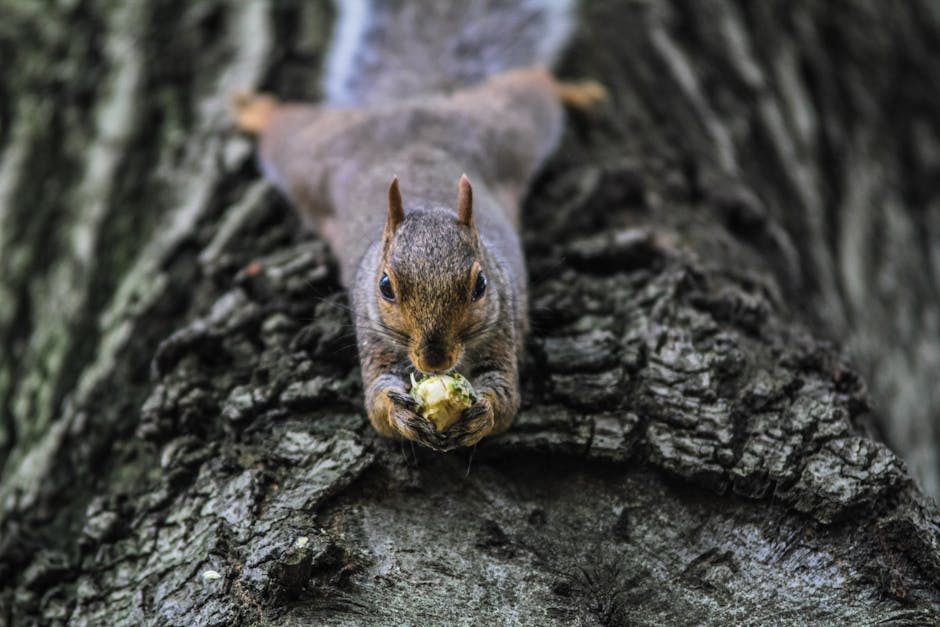
animal, animal photography, nature

The tiny gap between his prominent front teeth and his curiously alliterative name seemed to indicate that Earl’s squirrel trapping profession might have been pre-ordained. His detailed description of a humane removal plan for the squirrels that were tearing holes through my ceiling further convinced me that he had found his niche, or vice versa. The idea of humanely catching the squirrels appealed to me. I like squirrels. But when they became squatters and inhabited my nighttime silence with scratching and mating sounds and eventually poked their groping paws through to my bedroom, I needed Earl.

His plan was to set traps throughout the yard, and over a period of a week to catch the five or six squirrels he imagined were nesting in that corner of the old Victorian home where I lived in the Bronx. As part of his professional inventory, Earl brought cases of chunky Peter Pan from a bodega in Queens, claiming the generic brands didn’t hold the squirrels’ interest. His Havahart cages had long ago lost their factory sheen, so there was no need for camouflage. Earl assured me that they worked best when they were a little ragged and rusty.

“They might be ugly,” he said, “but they are disinfected with Clorox after every catch. To stop the spread of diseases.”

Earl placed two old and ugly but germ-free traps around my yard and left a Peter Pan trail that led to the sensitive triggers. He hoped that in the chill and hungry New York winter, my emboldened squirrels would run headlong into their Havaharts, nibbling contentedly on the chunks of nut not found in generic brand bait.

“You got some fine cats there. Better keep ‘em inside during the trapping period. Catch me lotsa cats when I set traps for possums, ‘cause then I use smoked fish. But a hungry cat might like peanut butter just as good — and every cat stuck in that cage is another squirrel I have to reset for. Caught the same gray tabby four times at a house in Yonkers. A stray. And they say cats are smart? I guess there’s no accountin’ for hunger. But the guy wouldn’t pay me for removing a stray cat, even if it was a nuisance to ‘im. And I don’t give no free rides to Westchester.”

Earl took his catch up to a few different wooded areas in Westchester County, and let them go into the relative wilds. I asked him if he thought of leaving squirrels at other homes and sticking his business card in the mailbox. He flashed his gapped grin and snapped his fingers.

“If I ever need an agent I know where to come!”

Westchester County’s squirrel population must be growing at a good clip. Earl caught seven at my house in a week.

Sometimes it’s the smallest things that stir the memory.

I suppose I should have been happy that Earl’s plan was working. On the first day, just as I was leaving for work, I checked the two traps. I saw one black squirrel with nut-brown eyes, quiet and tensed inside. Another gray-brown one was wild with desperation. In both, I saw deception, accusation and fury aimed at that steel door that blocked their return to my ceiling or wherever they had once called home. Little paws gripped the metal bars of the cage as they sniffed the air for any sign of change.

I stood very still and watched. I remembered prison, looking through barbed wires at the mountains around me, knowing there was music out there. And I couldn’t get to it. I remembered the scent of my wool blankets. My bed. From the floor of the Mexican prison where I slept fitfully for 33 nights, I recalled sunlight making lacy patterns on the ground under my jacaranda tree. Like these squirrels, I was uncertain of how that steel door had snapped closed behind me, and more uncertain of when or how it would open again. With great effort I distilled myself to essentials, trying to save the delicate parts of me from the harsh realities of imprisonment. I tried to make myself small and hard, so I could slip through unnoticed. I remembered the other women’s nut-brown eyes, sometimes wild, other times wide and calm. I remembered the women in prison and the many traps that had caught them by the leg, not so humanely as Earl’s. I thought of the metamorphosis of captivity. How a cage, austere and corroded, is the entire world for a moment. And then it opens to Westchester. And it might as well be Jupiter. And you might as well be a squirrel, for all the familiarity you feel with the way you look now. With the way you react to the new freedom around you. With the way to find home. You sniff the air for any sign of familiarity, but there is none.The new freedom I found on release was dotted with prisons I hadn’t noticed before. Dependence, insecurity, doubt. “There’s no accountin’ for hunger,” Earl would have said. I followed dozens of nut-studded trails to dead ends while picking my way home.

That morning, I don’t remember if it was cold, or if I was breathing. All I could see were the traps. Sometimes it’s the smallest things that stir the memory. And sometimes nothing has to stir it – it is just there. I see their faces still. Full lipped, heavy lidded, high cheeked, drawn, vibrant, painted, wan, changeable faces. I see them on the streets of New York. There is Bertha reading The Wall Street Journal balancing on the A train. And Maritza gave up crack and is selling chocolates wrapped in colorful foil, shaped like bunnies for Easter. That woman walking her baby in Central Park looks like Fátima, but her baby would be bigger now. These are not the women I knew in prison. I want to ask these women: “Can you possibly imagine what it’s like not to have a choice? To wake each day and know exactly what is waiting for you? To feel minuscule and helpless against something you cannot control?” But I am afraid. I am afraid they will say “Yes. I know.”

There are so many prisons. Some we just wander into unaware.

I can tell you about a prison I knew once. About a woman who slept underneath a bed and a woman who stomped a rat to death with her foot. About a drug runner turned playwright and a Zapotec woman who could teach God about dignity. About women so hungry for crack they would sell a half-eaten sandwich for a dime, and women hungry for a choice, for retribution, for a voice. I could tell you about this prison and these women and their walls and the wisp of their lives that curled around my own. I would tell their stories to cut a hole in the mesh, to help them escape… or to help me escape.

The black squirrel made a scolding noise. My reverie broke and I walked to the station to take the one train downtown to my ragged office where I spent my day chewing on chunks of nut.

On the last day of Earl’s trapping schedule, a Havahart cage was sprung, shut tight but empty. I asked him about it. He said it could have been a bird. They are often small enough to fit through the holes in the wire.

“Their little bird eyes don’t see that wire around ‘em. They walk right out as if nothing has happened. You can’t keep a bird in one of these cages. They got freedom in their genes. It’s not a choice for them. They just go.”

Many of the women I knew in prison will be finding their own new freedoms by the time you hear my voice.

Many will be left behind to listen to the reminder of birdsong from the trees outside the barbed wire. The squirrels will adjust to the taller trees of Westchester, and I will unfurl again, closer to home with every step.


Mary Ellen Sanger lived for 17 years in Mexico, and has published in several Mexican journals, including Luna Zeta and Zocalo. Her essay “A Grammar of Place” was anthologized in Mexico, a Love Story, published in 2006 by Seal Press. She was a finalist for the Room of Her Own Foundation “Gift of Freedom” in 2007, and was awarded a writers’ grant from the Barbara Deming Memorial Fund for Women. She is currently writing a collection of stories inspired by the women of Ixcotel State Penitentiary in Oaxaca, Mexico where she spent 33 days and nights falsely imprisoned in the fall of 2003. Mary Ellen leads a creative writing workshop for adults through New York Writers Coalition at the New York Public Library.

“Backbone” by Sarah Voss

Gray Scale Photo of Baby in White Onesie

At Thursday’s noon meeting, one guy oozing piety used his speaking time to offer a long, traditional prayer, something even Jane knew was totally against the rules. Jane’s own prayers were mostly short, silent requests for insight.

Perry’s presumption irritated her.

Still, she was new to AlAnon. She kept quiet.

Later, at home, Jane wondered about the protocol. Should she have spoken up? Complained to the group facilitator? Said something privately to Perry? She was so damned tired of being carpet!

In her journal, she experimented with things to say to Perry next week. She wrote:

Perry, when you recite an entire prayer to us, it’s like you’re forcing prayer on us. I find this invasive. In the future, could you please not do this?

She read it over, decided she’d followed a good formula: state the behavior; use “I” language; make a request.

Then she softened her message: You could make it available afterwards, for those who want it.

She scratched out the last sentence, added some starch:

Your prayer offends my spiritual sensitivities.

Then: Don’t subject me…

Before she knew it, Jane had spent forty-five minutes trying to decide what to say to Perry next meeting.

Forty-five minutes! She wasn’t even sure she’d go back. What a dope she was, wasting her time, her effort. Idiot!

She felt exhausted.

“I’ll just let it go,” she thought.

She paused. Then heard her words, “Let it go.”

“Oh!”

She closed her journal, unexpectedly excited, her own prayer answered.


Sarah Voss is a semi-retired minister, author, and lecturer who lives in Nebraska and publishes mostly esoteric stuff about religion and science including articles on “matheology” and “moral math,” in publications as varied as Parabola, Religious Humanist, and Theology and Science. Her poems and creative nonfiction have appeared in various literary journals and anthologies, including Thema, The Mid-America Poetry Review, The Healing Muse, Ellipsis, Nebraska Presence and (forthcoming, web journal) Sacred Journey. Micro-fiction is a new exploration for her.

“Hunger and Thirst” by Sandra Hunter

Hunger and Thirst Jan 2008

Arjun shifts onto his right side. If he waits a moment he will have sufficient energy to
rock himself sideways and out of bed. But the energy doesn’t come. He waits.
Once it was easy to rock up, but now he has to use his body’s weight to ease himself
off the mattress. And he must take his time. Any small slip and he will slither off
completely and Sunila will panic and scream. Why couldn’t you call me for help? Why are
you so stubborn? Why can’t you just do something simple like wait for help? Then
prediction. You’ll have broken your hip/back/head.

He thinks of Just Desserts. Just don’t think I’m going to visit you every day. In this stage,
the suffering is transferred to her and he can stay in the background as the source of her bad luck.

As he has learned, it is better to wait. Most of the body’s cravings can be subdued,
as he learned even before he became sick.

It is difficult to remember that time. He was Thirty. Forty? No the first attack was
before then. He was thirty-six. So he was healthy until he was thirty-six. He marvels at
this other self whose body performed daily miracles; standing, turning, lifting, running
up the stairs two at a time.

And even further back, in the time of legend, he played Squash for the All-India
team. Who was this person who wore white shorts and ran after small rubber balls
with such speed and accuracy? Surely he was a superman in those days. He wonders
if those other squash players are also lying in bed and wondering where their bodies
went, wondering at which date the synaptic rush and response slowed and failed.

And even further back, there was his boyhood in India. How easily, fluidly he ran up
and down mountains, as though up were almost the same as down. How he jumped
over rocks, between rocks, balancing with his arms flung out, his body leaning this way
and that as the impetus carried him forward, forward.

In some faint responsive memory of movement, he moves his legs and finds he can
ease himself off the mattress. He holds on to the bedrail with both hands and steadies
himself as his feet touch the ground. He is sitting upright.

He smiles at the triumph; he can still get out of bed by himself, which means he can
still go to the bathroom by himself. Small victories. He can’t even brag to Rob, his
grandson. Rob is not only well past the stage of getting out of bed by himself but he
doesn’t even need a safety rail at night anymore.

Arjun realizes with humility that he is far behind his grandson, who is bounding
ahead into his future. That future won’t contain Arjun or his stories about tigers and
elephants, his descriptions of the mountain ranges of the Himalayas, his peanut and
monkey jokes.

He has become accustomed to letting go. He is no longer anxious to keep up with
Rob. Occasional accounts about his progress in school or on the football team are
enough. These days, visitors, particularly children, are exhausting and he feels an
overwhelming lassitude from the moment they arrive to the moment they leave.

He steadies himself as he takes the weight on his legs, both hands firmly on the
walker. Now to walk. The coordination that goes into walking is astonishing.  He
pushes the right leg forward first and leans on the walker, then the left leg. It takes a
few steps to get into his shuffling rhythm and then he is on his way to the bathroom.

He takes his time, making sure the door is fully open, that he can sit with his walker
in front of him. How long has it been since he was so indignant about having to sit to
urinate? Now he is merely relieved to sit after the walk to the bathroom.

What importance he used to attribute to things that now seem so small: his perfectly
ironed shirts, the knife-like crease in his pants, the well-tailored jackets and suits, his
meticulously folded socks and underwear, his Kiwi-polished shoes, his leather billfold.
These details made him feel a little taller, a little better prepared to face the hostile
country he had moved to.

He remembers pushing Roxi aside so he could iron the shirts that Sunila wouldn’t.
Roxi had wanted him to read to her. Another time, Murad had nervously waited on the
stairs for something or another, but Arjun was polishing his shoes. Couldn’t the boy
see he was busy?

It was Roxi’s job to lay the table, but it was never done properly. He remembers how
he would have Roxi straighten knives, move glasses over an inch or two so they were
correctly aligned, re-fold the napkins.

Murad was responsible for washing the dishes while Roxi dried. Murad was
mournfully methodical. Roxi was careless, swiping at plates and rubbing handfuls of
silverware together in the towel and jumbling them into the drawer. How many times
did he have to order her back into the kitchen where she angrily re-dried plates and
pans, or sorted out the silverware drawer?

It all meant something but he can’t remember what that is. Some sense of decorum,
some sense of fitting in to the middle class neighborhood whose ideals he’s never
quite grasped.

But their neighbors are now used to them. They’ve been there for fifty years;
they’re the old-timers. He’s seen nearly all the houses on the street change owners at
one time or another.

Now they are the sweet old couple at number 4, Oriole Drive (Ah, bless). Sunila
greets everyone with a friendly smile and wave, invites them in, offers them tea, hands
out cookies to the children on their way home from school. She has achieved her
coveted position of being accepted. She is harmless and old.

Her high heels no longer strike static from the sidewalk as she busies to work and
back home again with carrier bags of groceries. The children are gone; there is no one
to scream at in the evenings. She can’t even scold him for long without becoming
breathless.

He used to laugh at her as she retreated to the kitchen coughing and angry. But
now he sees that this is how she stays alive; this is the vigor which allows her to
dress him, cook for him, wash him, help him to the bathroom in the day, turn the TV on
or off, fetch his photograph albums, take them away when they are too heavy to hold,
reach down books for him and re-shelve them when he can’t remember the page he
wants.

Now he becomes anxious if she coughs too much. He urges her to rest, to take more
time upstairs watching her soap operas on the bedroom TV.

Now that it is too late, he has come to love her. Even if he could find some adequate
language to tell her, she would dismiss him, would think he was trying to manipulate
her, would correct his syntax, would think he was becoming sentimental as the old
often do. She would never understand what it has taken for him to reach this point.

It doesn’t matter. He loves her ignorance, her wide-ranging prejudices, her quick
judgment of other people, her feelings of inadequacy, her suspicion of those who she
feels are somehow ‘better’; her inability to follow a simple argument, her inability to
follow simple directions her instinctive dislike of anything artistic, including art. He loves
her sad walls of exclusion, including those exclude her from anything that might
demand a little understanding outside of the terrible moral code by which she
attempts, and often fails, to live.

In the early mornings, while he is meant to be asleep, she sits in the least
comfortable armchair near the gas fire, bent over her Bible. He is still amazed at her
conversion to Christianity. She claims is it her refuge and her strength. But, perhaps it
was only that the Hindu gods were too many, too confusing to remember, somehow
not quite respectable.

Her lips move over the verses which spell out her failure in stark formulaic King James
prose with its incomprehensible italics and emphatic pronouncements. Thou shalt not.

But she shall, she does, she cannot help herself. And worse than her voice raised
against him, the words that ricochet out of her mouth, the fists clamped against her
sides, is that sudden recognition, I’ve done it again. I’ve done it again. And she abruptly
turns to the kitchen, to vent her despair on the clanging pans.

It is then he longs to tell her, “I know you’re angry. It’s all right to be angry.” She would
not believe him. It isn’t Christian to be angry. Even Christ, famously angry in the
temple, got over it.

Her anger has lasted all her life.

He doesn’t ask where it comes from. Does it matter? A spoiled child, she was given
everything her impoverished family could manage. He sometimes wonders about the
older sisters. Perhaps they resented her and that also fueled her anger. Perhaps she
just felt she didn’t get what she deserved.

So often, she has sighed after luxurious items, blaming him because she cannot hold
her head up since she doesn’t have a washer and dryer, convection oven, an Aga
stove, full central heating, silk velvet curtains, a nicer car.

No one else bought a Fiat, a Honda. She sneered at these bright, practical little cars.
When, by some strange combination of events he bought a BMW she was thrilled. He
was baffled to hear her refer to him to their church friends as her dear Arjun. How
quickly she adopted language and manners appropriate to one who owned a BMW.
She drove everywhere on errands, for visiting this poor old dear, that poor sick lady.
The elderly had never benefited so much from her Christian outreach.

He hated the car. It was too big, difficult to maneuver, costly to run and insure. She
backed it into a lamppost and then into another car, and their insurance soared. He
sold it as quickly as he could and immediately felt her deflate. He felt sorry for her,
quietly admitting to Mrs. Benson, “We’ve sold the car. Too many accidents, you know,”
as though the car led an independently willful life, rear-ending and colliding where it
would.

Mrs. Benson had nodded elegantly and immediately Arjun had seen how Sunila had
copied the gesture, the you know, the half-abstract air.

He felt badly for her, but couldn’t see why she tried so hard to be like them, the
British, with their coldness, their inability to speak their own language correctly, the
assumption of superiority where none existed.

As he shuffles his walker back into the living room where he can finally sit down on
his bed, he has the impression that someone else is in the room. Perhaps Sunila heard
the toilet flush and woke up.

He positions himself and sits and then says, “Did I wake you?”

“You might have done, you took that long, you stupid old git.” The voice is young,
male and cold. A flashlight is shone directly at his face. There is a crash and swearing
as the flashlight is dropped and a chair is overturned. He expects a blow to the head.
He expects that he must die now. He hopes he will have the chance to say that they
have very little money in the house, but to take whatever there is downstairs. There is
nothing upstairs. Perhaps he can save Sunila from this final shame of being humiliated
and hurt by a maniac child.

But the blow doesn’t arrive. There is heavy breathing and the voice says, “You’re
Indian, intcha?”

Arjun manages, “Yes, I am. Please take what we have down here. I can tell you
where it is.”

“I can’t take nothing from you, you old bhenchod.”

Arjun flinches at the language. Even now he cannot accustom himself to the casual
way that young people swear. And then he realizes the boy is Indian, hence the
swearing in Hindi. “Beta, don’t hurt us. Or, if you must, then hurt me. Leave her be.”

“Shut up. Don’t say anything.” A pause. “Maderchod.”

“Beta, please don’t swear.”

“Don’t call me son. I’m not your son.”

“I’m sorry.” Arjun tries to slow his breathing down before the panic attack starts.

“What the fuck am I meant to do now? I mean, I go to all the fucking trouble to
break into your bhenchod house and you’re fucking Indian.”

“Son, can we put the light on?”

“Oh, so you can see me and report me to the police, I suppose.”

“Who is going to believe a sick old man?”

“Oh yes. Rub it in. Not only can I not smash your maderchod head in and take your
money, I have to turn the light on so you can make a positive ID. Well, why not? Why
not just make the whole fucking evening complete?” There is patting and slapping as
the young boy feels his way around the room. More swearing as he contacts the sharp
edges of the credenza.

“The light is just here behind me on the wall.”

The boy comes closer. “Hold on.” There is a struggle with some kind of material and Arjun
hopes he isn’t about to be blindfolded. Then the light is turned on. Arjun doesn’t move.

The intruder comes around to him. He is dressed in black sweats, and wears a black
balaclava, obscuring his nose and mouth. He is a large boy with thick eyebrows.

As Arjun blinks against the light, the boy comes into focus. Arjun says,
“You are so young.”

Slightly muffled by the wool, the boy says, “You don’t know how old I am, do ya?”

Arjun considers the smooth skin. “Sixteen? Seventeen?”

“You’re wrong. I’m fifteen.”

“You are such a big boy.”

“My mum’s side. We’re all big. You should see my sister. She’s huge.”

Arjun has a vivid picture of a teenage girl crammed into sweats wearing a similar balaclava
and tries to dismiss it before he starts smiling. This is no smiling matter. Despite the fact the
child is so young he could easily do a lot of damage.

“You want the money? I can tell you where it is.”

“You got money here?” The brief note of hope is dismissed. “Nah. I can’t take your money,
uncle.”

“But, you went to all this trouble. Breaking in and what-all.”

“How come you’re Indian? Me mates told me no one’s Indian over on this side.”

Behind the balaclava, Arjun thinks there may be a ferocious sulk going on.

“We’ve been here for many years. No other Indian families moved in. What to do?”

“How long you been here, then?”

“Almost fifty years.”

“Fuck off. I mean, you’re joking, right?”

“It’s almost fifty years. So many people have come and gone.”

“Yeah, well I didn’t come here to listen to all that.”

“Son, go to that cupboard over there. There’s money. Take.”

The boy pulls the cupboard door open, squats down and pulls out a few envelopes. He
leaves them on the floor. “If only I’d hit you like I was planning. Then I could’ve taken the
money and run.” He pushes at the balaclava. “It’s like Ashok says. I’m rubbish at this.”

“But if you’d hit me first, I wouldn’t have been able to tell you where the money was.”

“Yeah, but I hit you until you tell me.”

Arjun imagines the boy sitting enthralled in front of a detective show. “Son, that kind of
hitting is for a much stronger fellow than me. One hit, pachaak, and I’m done for.”

“Yeah. You’re really old, innit. No offense, like.” The boy sighs. “I better go.”

Despite his difficulty with breathing, Arjun is curious. “How did you get in?”

“Your front door, mate. You want to change the locks. Get one of them deadbolts.”

“Aha. I see.” Alert to the noises of the house, he hears Sunila moving upstairs. “Son, you
should go quickly. My wife has a phone upstairs. And we have one of these emergency red
buttons.”

“Shit. I’m off. Listen, uncle, get a deadbolt.” He hesitates, snatches up one of the
envelopes, and exits through the front door.

Arjun listens for the running feet, but there is nothing. Despite his bulk, the boy is light on
his feet. He admires the boy’s ingenuity. He must be experienced at breaking in to deal with their lock so easily.

He imagines Sunila, terrified upstairs, wondering whether it’s safe to come down. “Sunila.
Come down. He has gone.”

His voice is so weak he is certain she can’t have heard.

“Arjun? Are you all right?” Her voice is shaking.

“I’m fine. You can come down.” His heart rate is returning to normal but he cannot project
enough force into his voice to send it up to her.

“Arjun? Is the robber gone?”

“He’s gone. Come down.” He is frustrated with this upstairs-downstairs business. Must the whole neighborhood listen in? Why can’t she come downstairs and talk to him?

“Arjun? Are you there?”

“I am here, you deaf old cow.” He is shocked at his bad language, but there is pleasure in
the fact that she can’t hear him.

“Arjun, I called the police. It will be all right.”

He doesn’t know why she won’t just come down. “Listen, the boy is gone.”

“I am waiting here to see if you are all right.”

The flashing blue lights reflect through the curtains and he knows he will not tell the police
that the thief was just a child.

He waits while the police enter, check the premises, ask him questions which is he now
almost too tired to answer. No, he didn’t hear the robber enter. No, he didn’t get a look at
the robber’s face. No, the robber didn’t talk much to him, other than make vague threats. No, the robber didn’t harm him.

The police are intrigued with this last point. Old age and infirmity are rarely deterrents for
thieves. Did Arjun know the robber? No, he had never seen him before. About how old was
he? It wasn’t possible to tell since the robber wore a mask. A young man, he thinks.

“You’re lucky, sir. You could have been killed. It’s mainly kids. They’re after drug money. You know how it is.” Arjun doesn’t know how it is, but he nods anyway.

Sunila is brought downstairs. She can barely walk and when she sees him, she clings to the police woman and weeps. “Arjun. Arjun.”

He suddenly realizes she thought he was dead and was terrified of having to see his body. She continued to talk to him because she would not believe he was dead until the police told her. He imagines her crouched against the window upstairs, believing she was finally alone.

Her eyes are puffy from crying. She is leaning against the police-woman. He has a moment of sympathy for the officer. Sunila is not a light-weight.

And then he is irritated. She has had her moment. Another police woman is patting her
shoulder. “Mrs. Dasgupta, everything is all right. Your husband is fine.”

But she can’t resist. “Oh god, oh god.” And she weeps noisily. The two women officers try to get Sunila to sit, but she stays standing.

He clears his throat. He wishes for the strength of his voice so he could ask them all to
leave, so he could tell her exactly what he thinks of her hysterics. How can she behave in
such a low-class manner?

“I thought he was dead! I thought he’d been killed!”

Really. There is something indelicate, this shouting about his death with such gusto.

“Mrs. Dasgupta, please sit down. You’ve had a terrible shock.”

Arjun fumes silently. He was the one who could have been killed and just look at her,
hedged about with uniformed sympathy. Someone is in the kitchen making a cup of tea.

One of the officers speaks to him. “Mr. Dasgupta, I’m sorry to take up so much of your time. You must be very tired. I wonder if we could send someone over to talk to you tomorrow?”

“Yes. That’s fine.”

The officer collects the others, but not before someone has brought Sunila a cup of tea and she finally sits down. The tea-bearing police woman remembers and looks over at Arjun.

“I’m so sorry. Did you―?”

“No, thank you.”

Sunila stands up, in charge again. “He must get his rest. He’s not well, you know.” Gracious and bearing up under tremendous stress. He hates her.

The officers smile and pat her as though she is a well-behaved dog. She smiles up at them.

She sees them to the door and he manages to get himself back into bed.

With any luck, she’ll leave him alone.

But she comes in. “Arjun, are you all right?”

“I’m tired, Sunila. I want to sleep.”

“How can you sleep? You must talk about it, isn’t it? Did you see the robber? What was he like? I heard voices and there was all the banging and thumping. Did he steal anything?”

“I don’t know. I can’t talk about it now.”

“But what was he like?”

“Sunila, please. I want to rest.”

“I didn’t see anything. I was listening, but I didn’t get a look. I waited by the window to see
if I could get a glimpse. It would have been so helpful for the police.”

“You could have come downstairs and had a look at him.”

She tightens her lips and her nose whistles as she breathes in and out. “Oh yes. It’s easy for you. You were down here with every chance to have a good look at him. How are the police going to catch him without a proper description? You didn’t even try to see what he was like.”

“I was trying to avoid being killed.”

“He wouldn’t have killed you. He just wanted the money.”

“I gave him the money.”

She sees the open cabinet door. “He took the money?”

He hears the heartbreak in her voice. Not the money. He adds, “Not all. Just one envelope.”

“But that was for the poor people in Chad. I was going to take it to the bank tomorrow. To
send to the mission. And now it’s gone. What am I going to tell them? What if they don’t
believe me? They’ll think I just spent the money on myself.”

“Sunila, no one will think that. They will be sorry. That’s all.”

She is sorting through her envelopes and stacking them neatly back in the cabinet. How
often he has told her not to leave money there, but she won’t listen to anyone.

“Of course, he would take the one with the most money. They’re like that, you know. And
now those poor people in Chad will have to do without.”

“Sunila, take your money and put it in the bank.”

She closes the cabinet door and stands up. “Well, that’s it. Nothing to be done. No good
crying over spilled milk. Are you hungry?”

I’m not hungry you stupid old woman, I am exhausted from nearly being killed by a foolish
child. How can you stand there babbling about money for Chad?

And then he realizes; he is hungry.

“I’ve got some of that chicken curry. We can have with pilao, yes?”

She bustles off to heat the food and he feels the anger subsiding. The comfortable noises
of plates and silverware, the thunk and ka-thunk of the microwave door opening and shutting. The hum as it starts heating the food. The water from the faucet streams into the sink and she fills the kettle for tea. The fridge is opened and he hears the tuk of Tupperware being opened. She must have found the cucumber and tomato salad and his favorite coriander chutney. He imagines her arranging it all on the plate and putting the plate on a tray to bring to him.

He usually sits in the Laz-y-boy for his meals, but he can’t move from the edge of the bed. He tries leaning on the walker, but his legs won’t respond, won’t bend, won’t take his weight.

Sunila comes in. “I’m making some tea. Oh.” She stops. “Let me help.” She puts her arm
under his and eases him upright so that he can lean on the walker. Together, they shuffle to the Laz-y-boy and she helps him sit, plumping the cushions behind him so that he is propped forward.

“Thank you, Sunila.”

“Not at all. Can I bring your food?”

He smiles at her. “Yes, please.” There is gentleness in his smile. He wants her to see that he loves her. He wants her to see that he understands her panic. How strong she is. Instead of continuing to fuss over the money, she just gets on with the next thing and the next. After they eat, she will clear away the dishes and wash them. She will help him back into bed. And tomorrow, she will go on, cleaning and washing and cooking and helping him write his letters and reading to him when he is too tired to read for himself.

And after, as he listens to her climbing the stairs, quietly closing the bedroom door, he will pray for her. Lord, give her the strength she needs so that she can keep on doing the next thing. And the next.


When Sandra Hunter isn’t teaching at Moorpark College in Ventura, she toils up hills in Malibu where it is still possible to fly, by bike, above the clouds, she dances with her daughter on the beach and isn’t arrested, and she doubles the garlic in most non-dessert recipes.  Her short stories have appeared or are forthcoming in New York Stories, the New Delta Review, Zyzzyva, Talking River Review, North Dakota Quarterly, Glimmer Train, the South Dakota Review, and others.  “Hunger and Thirst” is part of a sectional novel with a working title of “Waiting to be Filled.”

“Closing the Cabin One Year Later” by Bart Galle

Brown Wooden Cabin in a Lake

It had snowed the night before.
The boards of the dock were white,
the morning water grey and starting to move
I wanted to stay inside, under the covers,
but we got up and went for a hike
on a new trail to a new lake.
We walked past marsh grass
brittle as spun glass
and crossed small brooks,
also looking for the lake.
Too much to do, we turned back.
That afternoon we closed the cabin,
drove toward home.
Clusters of snow buntings
rose unexpectedly along the road,
flashing white wings
in a purposeful way.
They flew before the car
like porpoises leading a ship.
Go here!  Look here!


Bart Galle spent most of his professional life in medical education, a field in which he now works part-time for the Heart Failure Society of America. He is a gallery owner and artist specializing in pastel painting, the book arts, and installation pieces combining the two. His interest in poetry grew out of the death of his youngest son in 2002, when it provided a means for expression and learning. He was a finalist for the 2007 Loft Literary Center’s Poetry Mentorship. His poems have been published recently in White Pelican Review, Main Channel Voices, and Coe Review.  He and his wife live in St. Paul, Minnesota.

“Walking by the Aikido Center Late at Night” by Bart Galle

bus, public transportation, seats

I stop to watch two students
vacuuming the mat.

From opposite ends
they go side to side,
working toward the center.

The vacuum cleaners
are chrome with red bags,
everything else is white.

I catch my bus before
they finish. As the stops go by
I think about the students
meeting in the middle.

I picture a kind of minuet
with cords held high,
cleaners tilted on their heels,
right-hand turns, left-hand turns,
palms together, eye-to-eye,
deep into the night.


Bart Galle spent most of his professional life in medical education, a field in which he now works part-time for the Heart Failure Society of America. He is a gallery owner and artist specializing in pastel painting, the book arts, and installation pieces combining the two. His interest in poetry grew out of the death of his youngest son in 2002, when it provided a means for expression and learning. He was a finalist for the 2007 Loft Literary Center’s Poetry Mentorship. His poems have been published recently in White Pelican Review, Main Channel Voices, and Coe Review.  He and his wife live in St. Paul, Minnesota.

“Circle the Wagons” by Cathy Strasser

Green Rectangular Toy, Gray Boat Toy, Gray Shovel Toy, and Green Car Toy on Top of Brown Leather Surface

Jeff crouched in the sandbox, pushing his bulldozer. In two weeks, he would be finished with second grade. He liked this time of year because it stayed light enough to play outside after dinner. He switched from bulldozer to dump truck as the screen door at the Barnes’ house slammed. Leaning over, he could just see their back porch. It was Mrs. Barnes. She pushed up the sleeves of her tattered blue robe, stumbled to the edge of the porch, and started yelling. “You sons a bitches! You goddamn commie bastards! Who the hell do you think you are, treating us like that?”

Jeff jumped as her hand slapped the railing. Mrs. Barnes staggered back a step, then lurched forward to slap it again. “You got no right! No goddamn right. Who the hell makes the decisions anyway? What ass-hole decided to do this?”

Picking up his shovel, Jeff bent over to keep an eye on Mrs. Barnes. She was leaning against one of the posts now.

“You think you’re God, but you’re not. You’re nothing but a goddamn sorry-assed bunch of bastards who think they can rule the world…”

The slam of another screen door distracted Jeff. His mother came tiptoeing across the yard toward him and crouched down once she reached the sandbox. She was wearing her rainbow-striped housedress and smelled sweet, like the powder she had in the round pink box.

“Jeffey, would you like a popsicle?” she whispered.

Jeff nodded eagerly. Two desserts in one night! Usually she was very strict about desserts; he must have done something really good today. Happily, he followed her across the lawn. “…and I don’t give a good goddamn what anyone else thinks, I know what’s going on…” The front door cut Mrs. Barnes off as they entered the house.

His mother gave him the Popsicle and sat him down at the kitchen table to eat it. It was orange, his favorite, the kind with two sticks. He bit off the top while his mother bustled around slamming the windows shut. That seemed strange because she had been complaining of the heat at dinner, but Jeff couldn’t ask why with his mouth full.

His mother patted him on the head and went into the living room where his father sat reading the paper. The sharp tone of her voice carried into the kitchen.

“Tom! We have to do something. It wasn’t so bad in the colder weather, but now it’s getting unbearable to have to close the windows every night.”

Jeff heard his father’s low pitched voice answer, but couldn’t make out the words.

His mother’s voice jumped back in. “I don’t know who we should call. But there must be something we can do. It’s just not right to have to listen to that every night.”

Jeff noticed the Popsicle was beginning to drip down the stick. He tilted it sideways and sucked at the bottom to try to slow it down. He wanted to finish without making a mess. Whenever he was messy, his mother talked about not buying any more of whatever made the mess. Her voice resumed in the living room.

“Talking to him won’t do any good. For all we know he’s in exactly the same condition, just not so noisy. Lord knows what Jeff hears. All we need is for him to repeat some of that language at school and then we’ll be down there trying to explain it all!”

Silence. Jeff worried it would be one of those nights when their talk ended in the crisp crackle of the newspaper from his father, and the sharp slam of the bedroom door from his mother. On those nights his mother tucked him into bed so tightly he could barely move, and her good night kiss was so curt and fast it was like a stab to his forehead.

He waited, then heard the strike and sizzle of a match, a pause, two quick breaths and a long exhale. The tang of cigarette smoke drifted into the kitchen, and Jeff relaxed. When his father lit a cigarette for his mother and they sat smoking together, her goodnight kiss was always gentle and tender.

Carefully, he put his Popsicle sticks in the trash and checked his clothes for drips that might have escaped.

Finding none, he moved close to the living room door. His father was talking again, low and soothing, and when he finished his mother laughed for a moment. “But seriously Tom, something has to be done. I can’t spend the whole summer with the windows closed at that end of the house, and besides, it’s not healthy for her. She could fall and hurt herself or hurt someone else. She’s yelling threats out there.” More soothing murmurs from his father.

“If you say so Tom, but it needs to be soon. Now I’d better get our little scamp into his bath.”

The next morning, Jeff trailed slowly down the block to the bus stop. Billy Morton was ahead of him, walking with Joe Carter and Stephen Brooks. They were deep in conversation as they reached the corner.

“Ma Barnes was at it again last night.”

“What is that, three nights in a row?”

Joe kicked a rock into the street. “At least. What was she saying this time?”

“The usual. Goddamn this and son of a bitch that.”

All three boys sniggered.

“Was she bombed?”

Billy rolled his eyes. “You better believe it. She could barely stand.”

“My mom says it’s getting worse every week.”

“Was she yelling her dear son Eddie’s name this time?” Stephan’s kick sent another rock to join Joe’s.

“Nope, just a lot about commie bastards.”

Jeff edged a little closer. They were talking about Eddie. Eddie was his friend.

“Jeez, you wouldn’t think she’d get so nutty so fast.”

“How long has he been gone now?” Billy stepped out into the street and nudged both rocks together.

“He left just after Thanksgiving, and it’s almost June now…”

There was a silence as the boys counted.

“Seven months!” Joe got the answer first.

“When do you think he’ll be back?”

“I dunno. Maybe a year. If he doesn’t come back in a box.” Billy said, letting fly with his foot and managing to hit both rocks in one savage kick.

Jeff moved away again. He didn’t like the way their voices sounded. It was like when they decided to steal his lunch box or play keep away with his hat.

That was how he met Eddie last spring. The boys had taken his new baseball cap and were making him jump to get it back. Eddie was walking by the bus stop on his way to work and saw Jeff trying to jump without crying. He crossed the street and grabbed Jeff’s hat out of Billy’s hand.

“What’s going on here?”

“Nothing.” Billy muttered. Eddie towered over the three boys, and looked very tough in his green mechanic’s coverall. He seemed like a super-hero to Jeff.

“Why don’t you leave the little kid alone?”

“We were just playing. He doesn’t mind, do you Jeff?” Billy glared at Jeff, daring him to disagree.

Jeff didn’t know what to say. If he said yes, the boys would pound him as soon as Eddie left. If he said no, they’d take his hat every day and tell him he’d asked for it. Eddie solved the problem for him.

“Well, I mind. I don’t think its right for three of you big guys to gang up on one little kid.”

“It’s none of your business.” Stephan piped up from behind Billy, drawing nods and sounds of assent from the two other boys.

“It’s my business ‘cause Jeff here is my next door neighbor, and we’re buddies. Isn’t that right Jeff?”

He winked at Jeff. Jeff bobbed his head up and down.

“And I’m gonna make it my business to walk past this bus stop every morning to make sure you’re not bothering him. Got that?”

Jeff watched the three boys back away, grumbling about busybodies. Eddie stayed with him until the bus came and kept his word over the next few weeks, showing up at the bus stop most mornings.

But that wasn’t the best part. The best part was the evenings, when Eddie came home from his job at the garage. He started calling Jeff to come over and help him with his project. Eddie was an auto mechanic. “A grease monkey,” he called it. During the day, he worked fixing up other people’s cars. In the evening, he worked on his own; tinkering with the engine to make it go faster. He said it was his ‘hot car’. Jeff couldn’t figure out why. He’d touched the car once when Eddie wasn’t looking, and it felt the same as any other car.

It didn’t matter. What mattered was that Eddie talked to him while he worked. He told Jeff about his plans for the car, asked him to pass tools, and called him ‘buddy’. They’d work together until it got dark and the smell of baking came stealing from Eddie’s house. Then Mrs. Barnes would call them both in to her shiny kitchen and offer them a snack, usually fresh from the oven. Jeff didn’t know there could be so many kinds of cookies.

“C’mon in boys,” she’d say, while the light from the kitchen touched her carefully curled hair and glimmered off the pearls she always wore. “It’s getting too dark to see out there.”

It gave Jeff a wiggly proud feeling in the pit of his stomach to be classed in the same category as Eddie. He liked Eddie very much.

Jeff’s mother liked Eddie too. “Are you sure he’s not bothering you?” she asked when she called him in for his bath.

“Nah, he’s a good egg.” Eddie said, while Jeff beamed up at him.

“He’s so polite and well behaved.” Mrs. Barnes added. “I hardly know he’s here.” Eddie’s father, a quiet man, murmured his agreement.

That always pleased Jeff’s mother. “I’m glad to hear you’re minding your manners while you’re there. It’s nice to know you remember the things I tell you.” And she would give him the soft bedtime tuck in.

Things changed when the leaves started falling off the trees. Eddie didn’t talk as much when they worked together. His mother talked more, and they both smiled less. Mrs. Barnes’ conversation didn’t make as much sense, and she seemed to be talking to herself a good deal.

“Here’s your snack,” she would say. “Heaven knows you should stock up now. Who knows what kind of food you might find…But you’ll have to eat. No one can do anything on an empty stomach. I just worry that there won’t be much worth eating.”

One night when Jeff went over to Eddie’s he was surprised to see that no tools were out, and there was a sheet pulled over Eddie’s hot car.

“Come over here buddy, we have to talk.”

Jeff went over and sat on the little stool Eddie kept in the garage just for him.

“I wanted to tell you I won’t be able to work out here with you for a while. I have to go away for a few months.

You see, there’s a war in a little country called Vietnam. Have you ever heard of it?”

Jeff shook his head.

“Yeah, I wish I never did either. It’s over by China. You’ve heard of China, right?”

Jeff nodded. Sometimes, for a treat, his mother would make chop suey for dinner. She’d tell him that was what the children ate on the other side of the world in China.

“Anyway, I have to go to Vietnam to help fight in that war. I just found out I’m leaving next week and I’m gonna be busy getting ready until I go. So I wanted to say good-bye now, okay?”

When Eddie didn’t say any more, Jeff nodded. That seemed to be the right thing to do. Eddie stuck out a hand.

After a minute, Jeff did the same and Eddie shook it.

“I’ll look for you when I come back. I’ll expect my buddy to be ready to help me again.”

Jeff nodded once more and Eddie steered him to the door. “Take care, buddy,” he said, then turned and went in to the house. Jeff ran through the yard to his own door; suddenly frightened. He had never seen Eddie so serious.

Over the next months, Jeff heard that strange word Vietnam in more and more places. It was in the news program his mother listened to on the radio. It was in church when they took a minute to pray for ‘our brave boys overseas’. It was even on the playground where kids talked about brothers and cousins ‘pulling low numbers’. For a while, Jeff listened, hoping to hear about Eddie. But no one mentioned his name, and soon Vietnam became just another grown-up topic, like ‘demonstrations’ and ‘student unrest’.

It was around Christmas that Mrs. Barnes started coming out on her porch to yell at the
neighborhood. At first, Jeff’s mother had been understanding.

“It’s the stress of the holiday season.”

She baked a cake and took it next door. She told Jeff to stay home because there would be a lot of adult talk and he would be bored. But she came back very quickly.

“I stood on their front porch,” she told Jeff’s father, “out in that cold wind, ringing their doorbell and no one would answer! I could hear someone moving around inside so I know they were home. I just can’t imagine why they wouldn’t come to the door.”

Jeff’s father inclined his head toward Jeff and raised his eyebrows.

“Oh, all right. Jeff, scoot up to your room now and play. I have to clean up the kitchen and I don’t want you under foot.”

Jeff moved to the door and climbed the stairs as slowly as he could. His mother’s voice followed him.

“I thought they were such a nice family. But to act like this! I never thought someone could change so quickly.”

Mrs. Barnes continued to come out on her porch throughout the winter and spring. She stopped wearing her neatly ironed dresses and started wearing her robe, even in the daytime. Jeff’s mother stopped using her name and started calling her ‘that woman’. When school let out for summer, Jeff’s family took out a membership at the town pool. Every afternoon, they left the house and spent the day there. Jeff got a tan and learned to dog paddle. Jeff’s mother made new friends and exchanged recipes. Jeff’s father built a patio on the far side of the house, away from the Barnes, got a charcoal grill, and a big red apron that said ‘Chef.’

Jeff’s mother didn’t talk about Eddie or his parents unless it was an exceptionally loud night from Mrs. Barnes. Then his mother would say, “I don’t like the thought of Jeff going over there once Eddie comes home.”

“If.” his father said. “We’ll worry about that when and if the time comes.”

Eddie Barnes came home just before Halloween. He didn’t come in a box and he didn’t wear a costume. He had a purple heart pinned to his shirt and a metal hook sticking out of one sleeve.

The other sleeve was empty, and hung loosely from his shoulder.

Jeff didn’t see him come home, but he heard the story from the boys at the bus stop.

“Both his hands were blown clean off.” Billy said.

“They couldn’t even find any pieces.” Joe added, twirling his book bag by the strap.

“There must have been blood everywhere.” Stephan dropped his bag on the ground and stood straddling it, nudging it with his feet.

“I wonder what that must feel like.”

The sudden silence was awkward.

“He got a medal,” Billy rushed on. “Cause it happened while he was trying to save someone.”

“And the guy was booby-trapped; as soon as Eddie touched him, ka-boom!”

“Now he’s got a hook instead of a hand.” Joe stopped twirling his bag and started swinging it.

“What can you do with just a hook? He doesn’t have anything on the other side.”

“I bet he has to pee like a girl now.”

“And I bet he can’t even…” Stephan stopped suddenly as Billy nudged him. “What?”

Billy nodded toward Jeff. He’d moved closer when they started talking about Eddie.

“Don’t let the kid hear you. We might get in trouble.”

The three boys looked at Jeff, then moved away. Jeff didn’t care. Eddie was home.

Jeff waited for Eddie to call him over to his house, but the invitation didn’t come. Finally, he walked next door and rang the bell.

“Who is it?”

Jeff hesitated. Eddie sounded angry. The curtain over the door was wrenched aside, and Eddie’s face peered out. “Oh. It’s you. C’mon in.”

Jeff opened the door and followed Eddie’s back into the kitchen. The house smelled sour and musty, and the kitchen was cluttered and grimy. Eddie, dressed in a rumpled T-shirt and boxers, matched the kitchen. He sat down at the table and surveyed Jeff.

“You’ve grown. Now that you’re here, you can make yourself useful. See that pack of cigarettes?

Wedge one in here.” He held the hook up near Jeff’s face and turned to show a small opening. Jeff fumbled for the cigarette and tried to get it into the space.

“Not that way. There has to be enough sticking out so I can get my lips on it. That’s better. Now, grab that lighter and light me up.”

Jeff froze. His mother never let him near her lighter, and threatened dire punishments if she ever saw him touch one.

“C’mon, c’mon, you just flick that wheel with your thumb. Even a baby could do it.”

Stung into action, Jeff managed to light Eddie’s cigarette. He sat down across from Eddie and watched him inhale deeply. Eddie looked over at him. “You want one? Go ahead. I won’t tell.” Jeff stared and then shook his head. He’d be grounded for life.

“Suit yourself.” Eddie shrugged, an oddly off-balance action with only one arm. “It’s one of the few things I can still manage, so I do a lot of it.” He exhaled unhurriedly, letting the smoke trickle out through his nose. Jeff sat, hands pressed between his knees, waiting for Eddie to finish. The kitchen faucet was dripping slowly, and it made an odd counter rhythm to Eddie’s puffs on his cigarette.

Finally, he finished, knocked the stub out of his hook into a bowl on the table, and squinted over at Jeff. “So what’s your story these days, kid?”

Looking away, Jeff squirmed slightly in his chair. He didn’t like the way Eddie called him ‘kid’. He wished he’d go back to ‘buddy’.

“No story, huh? Just like me. No story, no chance of a story any more, just a lot of nothing. At the VA they gave me this,” he shook his hook toward Jeff, “and told me they could rig something up for the other side.”

He banged the table in disgust. Jeff jumped, then perched back on the edge of his chair.

“I told them not to bother. What’s the point? What good are a pair of hooks gonna do me? You can’t use tools with a pair of hooks, can you? CAN YOU?”

Eddie shouted the last two words at Jeff, leaning across the table toward him. Jeff shook his head, hunching away from Eddie’s yellowed teeth and stale breath.

“What the hell do you know anyway, you’re just a little kid.”

Jeff blinked and hung his head. They were buddies. Why was Eddie talking like this? He stole a quick look from under his eyelashes. Eddie was still looking at him.

“You don’t talk much, do you? Were you always this quiet? You’re like some kind of little spook, just sitting there, staring at me. Well, this is it, kid. This is all you’re ever going to see. So why don’t you just head back home to your mamma and leave me alone. I JUST WANT TO BE LEFT ALONE!”

Jeff didn’t remember how he got to the door. He paused with his hand on the doorknob and looked back once more at Eddie. His expression hadn’t changed. He looked mad and scared and sad; just like Jeff was feeling. Jeff opened the door and ran out, leaving it to swing closed behind him.

It was the day before Thanksgiving, and Jeff was out in the yard. His mother had shooed him outside, telling him to take advantage of the nice day before winter set in, and stay out from under her feet while she started tomorrow’s pies. Jeff went over to the sandbox and lined up his trucks.

His father thought he was getting a little old for the sandbox, but his mother told him to let Jeff alone. “He’s still a boy. Let him be one as long as he can.”

He cleared the leaves out of the corners of the sandbox and began to dig. Soon he had a road, a deep pit, and a parking area. He was just clearing out the space to try a tunnel, when a screen door slammed. He looked toward his house. His mother had promised him the leftover pie dough when she was done, but their door remained tightly shut. He leaned to the left and looked at the Barnes house. There was Eddie, out on the porch.

Jeff hadn’t seen Eddie since his visit to the house. No one talked about him much any more. When his name came up Jeff’s mother pursed her lips and shook her head, and even Billy, Joe, and Stephen no longer speculated about him. Jeff looked at Eddie through the trees. He seemed to have trouble walking. He got up to the porch railing and leaned against it, looking up toward the tree tops.

“You sons a bitches. You goddamn assholes. Who the hell do you think you are? Look what you’ve done to me. You had no right to play with my life like that.”

Quietly, Jeff began to gather up his trucks.

“I hope the goddamn commie bastards who did this burn in hell with you right next to them, you sick sadistic psychos. You think you know what’s best, but you don’t know a goddamn thing.” With the trucks neatly gathered in the corner of the sandbox, Jeff got up, brushed off his pants, and headed toward his house.

“You sent me to the other side of the world just to blow my fuc…”

Jeff closed the door firmly behind him.

“All done outside?” his mother said.

“I think Dad’s right. I’m too old to play in the sandbox.”


Cathy Strasser is an Occupational Therapist and freelance writer. She has had short stories published in the Mom Writer’s Literary Magazine, The Literary Bone, Silverthought Press Women’s Anthology, Touched By Wonder Anthology, The Chrysalis Reader, as well as a two article series in Cabin Life Magazine. She is currently working on her first book, Autism: A Therapist’s Journey Toward Enlightenment, describing her experiences in working with children with autism and will be published by AAPC in late 2007. Cathy is a member of The New Hampshire Writer’s Project and co-founder of the New England Chapter of the National Association of Women Writers. She lives in Sugar Hill , New Hampshire with her husband and two children.

“Libby” by Aaron Hellem

Water Drops from Stainless Steel Faucet

Billy glows in the dark. Not as green as money or Jello, but a softer incandescence.

Elizabeth reaches out and lays her palm flat against his stomach. Billy leans over her, kisses her forehead and down her nose. Finds her lips in the dark. Finds her buttons with his eyes closed.

She wraps her lips around his whole body as if to swallow him and burn on the inside from whatever makes him glow in the dark.

The water boils when it rushes from the tap. Glaciers are melting quickly somewhere in the world, but that’s not what makes the water boil when it rushes from the tap. Billy’s father, at the table, looks like he’s melting into his coffee and buttered toast. His skin sags like a turkey’s neck. Dark circles around his eyes. Sores on the end of his nose. He doesn’t look good.

Dad, Billy says, you look awful.

Thanks, son, his father says. Now, will you please pass me the goddamn shitting son of a bitching salt?

He doesn’t look up from his toast.

Outside a tanker truck shifts gears and screams down their street. Children aren’t supposed to play outside for stretches of time longer than forty-five minutes.

What do you do there at the plant, Dad? Billy says.

Put food on the table, his father says. Son of a bitching bacon on this goddamn shitting table. How do you like that? He looks up at Billy. His eyes are entirely black. Sheen, like a fish’s.

How do you like that? he says again. Your sister’s shitty ass shoes and your son of a bitching college fund. His left eye twitches in manic spasms.

All right, dad, Billy says. The whole side of his face looks ready to burst, his eyeball ready to pop out and roll across the table.

It’s all right, dad, Billy says.

I know it’s all right, his father says. You don’t have to tell me it’s all right. I’m the one who son of a bitching slaves away all shitting day in that worthless asshole shitbox. You don’t have to tell me.

Billy nods. He’s too young for this, he thinks. Too young to have a melting father. Too young to glow green in the dark.

Elizabeth is late, and the ultrasound shows them their baby, as big as a fish. With flippers. The doctor doesn’t say anything. Quiet, like he has to tell somebody a loved one is dead.

They’ll go away, Billy says to Elizabeth. They all look like that initially.

Right, doctor?

The doctor points at the screen and shakes his head.

The baby glows green just like its daddy. Elizabeth cries. Billy holds her hand. Just tell us straight, doctor, he says.

The doctor cries. His finger on the screen. It’s a fish, the doctor says. He traces the gills and the bottom of the baby where a tail protrudes.

Elizabeth squeezes Billy’s hand as though she’s falling from the top of a building. Off the edge of a cliff. Dangling only by metacarpals.

Gills? Billy says.

Oh god, Elizabeth sobs, I see the tail.

Where? Billy says. He squints at the screen.

I see it! Elizabeth cries.

Where? Where is it?

The doctor’s shoulders shake. His hand trembles. He points at it. As long as the tip of his finger.

There, he says.

I see it! Elizabeth cries. She closes her eyes and turns her head away.

The bones in Billy’s hand are crushed to chalk dust; he doesn’t feel a thing. Oh god, Billy says.

I don’t want it, Elizabeth says.

Are you sure you don’t? the doctor says.

I’m sure, she says.

And you? the doctor asks Billy.

He already has gloves out. Already has a rod and a hook ready. Bait all ready to go. The baby shifts on the screen. On the screen, glowing green, flipping and flopping. The doctor hooks the worm.

Billy? Elizabeth says.

We need to do this now, Billy, the doctor says. Billy nods, but doesn’t watch. He holds on to Elizabeth like he’s the one falling now. From a mountain. Off a bridge.

It’s all right, Elizabeth whispers into the sides of his head. She holds onto him as the doctor dangles the lure in between her legs. It’s all right, she says again. Billy feels the green bursting inside him, squeezing into the backs of his eyes and from the inside of his ribs, thrashing to get out. He feels the glow burn on the tips of his fingers and the ends of his hairs. Can feel his teeth from white-wash to Chernobyl green. Ghoulie green. Gangrene.

Billy works the night shift because his green glow allows management to cut out the lights at night. He walks so he won’t wallow. Elizabeth won’t answer his calls. Her mother threatens to call the police. The police know Billy, and are afraid to touch his skin to handcuff him.

Billy makes his rounds, sings so he doesn’t sob. Other night-watch men have mentioned hearing voices at night, sneezes and screams from down the hallways. It used to be hospital for those too sick for reality and those not sick enough for a real hospital. Some physically defected from the contaminated water they drank and poisonous soil they played in as children. Those who ate vegetables grown in their own backyards and those who ate fish from the river. They were sent there when the tumors were too big to
carry. It’s where his father will go when he finally melts into a hole in the ground; his voice will boom in the dark at Billy: Get your son of a bitching ass back to motherfucking work! His ghost will haunt in a puddle, oozing underneath the door cracks and mail slots.

Billy doesn’t have a flashlight. He has a belt of keys instead. One for every door in the building.

There are, at least, a hundred doors. One key for each of them. Sometimes two. Billy doesn’t open them. Down the dark hall, he hears the ghosts flopping towards him. With tails rather than chains.

With fins stretched out. You’ll know your father, Billy thinks, by his green glow. By how he goes in between the worlds of light and dark.

His father melts into his slippers. A puddle of skin pooled in the bottoms of his worn slippers. Does this mean you’re not going to work? Billy asks him.

I can’t take the day off, his father says, his voice as quiet as though on the other end of a telephone.

No goddamn son of a bitching vacation time for this sorry old bastard son of a bitch. His father sighs.

Crap, he says.

Is it time for me to feed you now? Billy says. He envisions breakfast in a blender, down a straw into his father’s deflated mouth and down his deflated throat, leaching into his deflated intestines.

I don’t need nothing from you, pissant, his father says. I’ll melt right into my goddamn grave before I take a son of a bitching helping hand from you.

The horoscopes are printed right next to the air and water quality reports. The air is better today because of a front blowing through. The water still needs boiling before using. Billy’s horoscope tells him not to expect anything extraordinary from loved ones. He hears two tiny voices: one tells him to turn down that son of a bitching green glow and the other tells him to run. He leaves the dishes where they are, leaves the newspaper scattered on the table, and leaves his father in a skin puddle rippling with each miniature expletive. His legs carry him down the street like wheels.

The light in Elizabeth seems extinguished. I’m sorry, she says. Her hands shake. Her bottom lip, too.

Splotches of red in her pallid eyes. A ping in her palliation.

It was nobody’s fault, Billy says. Rocky Mountain creases across her forehead. He takes her hand to infuse her with his green glow heat. It radiates into her palm and up her forearm. Her eyes widen, and it spreads into her chest and her clothes combust and fall off her in sparks.

I’m sorry, she says, and the words fly out in flames, bursting brightly in the air like popping fireworks.

I am, she says. I am, I am, I am, I am. Each one a flowering flare as though spit from a roman candle.

We are, Billy says.

Outside of town, they lie down in the middle of a field. They stare up at the other small suns scattered across the Big Sky Country night. That one, she says, and points at one that glitters.

It looks tropical there, he says.

Clear blue water, she says.

She finds her way around him in the dark. He delights in the way his skin lights up hers.

The way they see perfectly when they should be blind. The heat of her skin smolders new lines into his fingerprints. They burn a circle around them where they fall asleep in the grass.

Again: Elizabeth is late, and this time the doctor smiles and points out the carpometacarpus in the ultrasound. You know what this means, the doctor says.

They don’t. Elizabeth squeezes Billy’s hand tight because ultrasound news pushes her from high heights.

The doctor traces the outlines of a beak. The webbed feet.

I don’t understand, Billy says.

Not again, Elizabeth says. I don’t think I can take it again. She closes her eyes and cries.
No, the doctor says. You’ll see for yourself. The doctor calls in a nurse.

I’m not ready, Elizabeth says.

I’m afraid that doesn’t matter, the doctor says. He snaps gloves onto his white hands. Do you wish to stay? he says to Billy.

I’m not going anywhere, Billy says. He offers Elizabeth his other hand. She holds onto both of them as though the world might reveal a drain and wash her down it.

I’m not ready, she says again.

Billy wonders what haggard creature his defective genes will wreck into the world. He imagines the worst: a scaly dragon breathing fire into all the dark corners. Crushing the tops of houses with incredible talons. Scorching those trying to run. A pitiful and painful end to Libby at the fire and talons on his progeny.

I’m not ready, she says again.

I’m not ready, Billy says.

A nurse enters with a syringe, a press, a mop. Her clothes swish and crinkle as she turns on machines and readies the room. Right here? she says to the doctor.

There’s no time to move her, the doctor says.

Don’t leave me, Elizabeth says.

Never, Billy says. He can’t help the images flashing through his head, strobe-like ultrasounds glowing green. The nurse places Elizabeth’s feet in stirrups.

Oh god, Elizabeth says. She closes her eyes and bites down on Billy’s arm. Billy doesn’t feel a thing.

Here we go, the doctor says. The sound of an earthquake, of continents scraping together until one acquiesces, rips and rifts and tears. The screams and the song. Their son bursts out of his mother like canon fire, unfurls wings and flies, twice around the room then through the window. Wind rushes in as their son soars out, slow and powerful as airplane propellers. Ascends into an existence of its own that owes nothing to Billy. He watches out the window as his son fades into the horizon. The nurse dabs at Elizabeth’s head with the hot water press. Sticks the syringe in the fat part of her arm.

I felt him love me inside, Elizabeth says.

Billy watches from the window.

Billy, Elizabeth says.

He’s sure his son’s wings will help him accept the malaise and keep him above the film of scum on top of every water body. Will help him rise high enough to see for himself the only kingdom up there is an illusory one, a thinned vaporous one erected out of rarified air. He can’t blame me, Billy thinks, I’m the one who gave him wings. It’s true I gave him life, but the wings and the songs will save him from that. Billy has only his glow, and he glows as the sun sets.


Aaron Hellem lives with his wife in Leverett, Massachusetts and attends the MFA Program for Poets and Writers at the University of Massachusetts Amherst.  His short stories have recently appeared in Fourth River, Xavier Review, Ellipsis, Phantasmagoria, Amoskeag, Quay Journal, Menda City Review, Mississippi Crow, 13th Warrior, and Beloit Fiction Journal; also, works of his are forthcoming in Lake Effect, Oklahoma Review, Parting Gifts, Crate, Cause and Effect Magazine, and Confluence.

“The Graveyard Shift” by Carolyn Harris

animal, chicken, cock

DS is my name. My mom calls me Desiree–the desired one, but I go by DS–DS
for dog shit. I’m sixteen. I do drugs. I run.

I’m back in Juvie again. Be here a while too. They can’t figure out what to do
with me—I run from placements. The last one was out in the middle of the northern
California desert. Boring. As soon as I stepped off the school bus, Maggi, she was
the mom, had a list of chores–and I had to keep my eye on three little raggedy
kids while I did them. Maggi locked herself up in the bedroom with the TV. She got
sinus headaches. She came out when I had dinner ready, sniffed around, piled up
her plate, and headed back for the TV. We ate a lot of macaroni and cheese. And I
shoveled a lot of chicken shit cleaning the coops. I fed the chickens and collected
the eggs before school every day. Maggi sold eggs for her cigarette money. Once
a week, I got a pack for helping. She used to keep them under her bed. I figured
she wouldn’t miss an extra pack a week. And she didn’t–one of the kids was a
snitch. Maggie knocked me in the teeth with the TV zapper when she found out–
then blamed me cause the zapper broke. Maggie wasn’t all that bad, I just got
bored cleaning chicken coops–so I ran.

I work as a whore when I’m out. I get knocked around sometimes, but the pay’s
good. Better than cleaning chicken coops. I usually work the truck stops. I keep my
hair short and my tits aren’t much. The truckers aren’t sure if I’m a boy or a girl.
One guy was gonna knock my head off when he found out I was a girl. He made
such a racket another trucker climbed in the rig and tore into him. Told him to get
his ass out of there or he was calling the cops. That scared the shit out of me. I
don’t need any more trouble with the cops.

I thought the second guy wanted me to ride the bony pony, but he cleaned up
my face–even tried to put a band aid on my split lip. It just slid off when I tried to
talk. He bought me a double cheeseburger and a chocolate shake. He didn’t say
much. Just that he had a couple of kids my age. He dropped me off in Susanville–
that’s where my mom was living then–and told me to keep away from the truck
stop and behave myself. I did for the rest of the night. It was getting cold.

My mom was living with the Tattoo Man from the circus then. That’s what I
called him. He had a trailer down behind the stockyards. He didn’t want me in the
trailer, but I got to sleep in the camper stuck on the back of his pickup. It wasn’t
too bad. He had a sleeping bag. A month later it got really cold. The neighbor had
a cat–a fat old orange tom with half a tail. Even with him in my bag, I almost froze
my ass. The windows in the camper froze and I got needles in my throat when I
breathed. I get asthma sometimes. I think the cat knew it. He tried to hold on to
his hair.

That night, when the trucker dropped me off, I knocked on the door of Tattoo
Man’s trailer. It only had one hinge, so I never messed with that door. I didn’t
want to be the one that dropped it in the dirt. They were doing crank. I’d made
enough money that night so Tattoo Man let me stay inside.

By the time I really froze my ass–it was just before Christmas–he and my mom
got busted. That sucked. The cops were pissed at me because I’d been skipping
school. That’s the funny part. I really do like school. School for the dog shit kids. I
don’t like regular school with all those jocks and cheerleaders with their fancy
clothes and their noses in the air. In my kind of school, we know we’re dog shits
and don’t stick our noses up at anybody. I like to think we’re the real people. Now
I don’t think all cheerleaders are fancy-ass freaks. I know one–or about one, and I
think I’d like her.

It’s time for dinner. I’m in lockdown and have been for the last twenty-eight
days. I still get to eat. They bring me a tray–slide it through the slot in the door.

“I wonder who’s working graveyard?” I asked staff when they brought my
dinner, but they didn’t know. I hope it’s Mrs. Manley, cause she talks to me. She’s
the one with the cheerleader granddaughter. Sometimes she works graveyard on
the weekends. Usually with Mr. Roberts. He’s nice, too. I’d like him for a
grandfather.

I’m a room alone because they know I’m a whore. I’m in Room One. I have a
little window in my door and can see the kids go by if the flap’s up. And I have my
own toilet. I like it–even if staff can watch me pee. There’s a monitor in the
control room. The toilet’s cold and I don’t sit long, anyhow. I don’t have a toilet
seat. Not just because I’m a room alone–nobody does. The sink–almost big
enough to float a goldfish–is built in the back. I can sit backwards on the toilet and
brush my teeth. Good idea, huh. Too bad they don’t make toilets like that in
regular homes–with a seat of course. And I talk to the toilet. Not really to the
toilet, but if I stick my head in the toilet, I can talk to Jay in Room Two.

Jay’s the reason I’m in lockdown. I’m in love with Jay. He’s kinda skinny, but he
has dark hair and dark eyes, and he’s smart. He knows the name of every bird
around here. He told me his name was Jay for Blue Jay, but I think he was just
kidding me. He’s a good artist, too. He drew a picture of me once. I was dressed
like a warrior princess flying over the mountains on the back of an eagle. I’ve
known him for a long time so this isn’t one of those short term relationships like
my mom always has. Every time she meets a guy–and she picks some pretty
freaky guys–he gets busted, she gets busted, or he kicks the crap out of her and
throws her out.

Jay’s been in and out of Juvie since he was ten. Twenty-three times so far. That’
s more than either of his two older brothers and he says there’s no way
they’re gonna beat his record. They’re both in CYA now. You don’t come back from
Youth Authority. Jay brags a lot. Once he was out and back in here in three hours.

He ate lunch, they released him, he stole a bottle of Jack Daniels at Safeway,
and was back in by dinner.

He’s got a plan–we talk about it through the toilet. They won’t send him to CYA
if he’s crazy. He tells them he sees things and hears voices. He had a fit at school
last month. Yelled he was having a flash back then pulled his desk over on top of
him and started kicking and spitting. It scared the teachers. The staff who watches
us in school called for backup and they made us all get against the wall. Then
they took Jay down and cuffed and shackled him and took him to his room. He told
me through the toilet that night it was all a fake. I sure believed him. So did a lot
of other people. Melody in Room Eight was screaming she’d never do drugs again.
That’s a lie, but maybe she believed it then. That’s why most of us are here. We’re
druggies.

Jay’s an Indian. When he’s not in Juvie, he lives down river with the other
Indians. He says he does drugs because it’s part of his religion. It helps him see
things better. I think he gets high for the same reason I do. I like it.

It’s snack time. If I lay on my bed and put my ear against the block wall just
below Bambi’s front foot, I can hear everything in the activity room. I really have
Bambi on my wall–and flowers, too. They have pictures painted all over the place
in here. With my ear by Bambi’s foot, I can hear movies or the AA meetings. On
the graveyard shift, if they turn the TV off, I can hear the staff talk. There’s some
pretty interesting stuff that goes on around here on the graveyard shift.

Jay won’t talk to me tonight and I’m worried about him. I think he played crazy
too long. Last week when they let him out for a shower, he tried to jump a staff–a
big staff. That was dumb. He yelled he saw a moose and it was attacking. That
was dumb, too. He has a moose and some trees painted on his wall. He could
come up with something better than that. He got pepper sprayed and that’s not
much fun–take it from me. I’ve been sprayed twice. He yelled he wanted to commit
suicide. That’s stupid, too. Take that one from me, too.

They took all his bedding and clothes and gave him a paper Barney gown– one
of those bulky brown hospital gowns that stick out in back and make us look like
Barney on TV. They do that to you if you’re a pain in the ass or say you’re thinking
of suicide. If you’re just a pain in the ass, you usually get your stuff back piece by
piece on the graveyard shift. It’s cold here in the summer. The air conditioning runs
all night. I mouthed off big time once and ended up naked as one of Maggi’s
chicks. I’d have promised anything just for a shirt. I thought I was back sleeping in
Tattoo Man’s pick up. Lucky for me, Mr. Roberts worked graveyard that night. He
gave me my stuff back, even my clothes, as soon as the swing shift left. He just
told me to cut out the funny business and go to sleep. I don’t think he likes
working here. He always says, “Two years, four months, thirteen days, and I’m
out of here,” or something like that. He has grandkids. I bet he’s a good
grandfather.

He was the one who took me down when I was pepper sprayed. It was the last
time I was in here. I had Room One again. Lucky for me I’m a room alone. I
always get the good room. Jay was down the hall. He’d been locked down for
seven days and his roommate told me Jay was talking suicide again. I couldn’t talk
to him through the toilet, so I started yelling, “Blue Jay, I love you.” Once I started
yelling, I couldn’t shut up. They took my bedding. Then they took my clothes. I just
kept yelling, “Blue Jay, I love you.”

Boss Lady shot the pepper spray through the slot. I jumped behind the door so
she couldn’t hit me, so they clanked the door back. It’s a big steel door. You have
to watch your toes–we can’t have shoes in the room–they’re dangerous–the
laces, you know. She came at me like something from outer space with a big gas
mask and some kind of Michelin Man suit. I kept jumping around and she couldn’t
get a good enough aim, I guess, so she sprayed the wall, sprayed the bed, and
sprayed Mr. Roberts. Finally, she got it right up under my nose and I felt it slurp
down my face like that silly stuff they shoot at you in parades–just before my eyes
got it. I ran around like a trapped hamster. I knew better than to stick my head in
the toilet to wash it off–Jay did that once and he warned me not to try it. I heard
Boss Lady yell at Mr. Roberts to take me down. He straddled my back and cuffed
me and I felt him put his hand between the toilet and my head. I was jerking
around so much I had a big lump there the next day.

Mr. Roberts came back that night during the graveyard shift to see if I was okay.
Staff’s not supposed to open doors at night–because we’re dangerous, but he
came in with Mrs. Manley to talk to me. My asthma was bothering me so she
brought my inhaler and let me puff. I kept a damp cloth over my eyes. It burns
worse if you open your eyes–remember that, if you’re ever pepper sprayed. She
sat on the bed and rubbed my back while he talked to me. I pretended I was sick
and they were my grandparents.

Mrs. Manley is the one who helps me pretend. She’s the one who has the
granddaughter. She doesn’t know I’m pretending about her granddaughter, so
don’t tell her. When I know she’s going to work graveyard, I try to sleep during
the day. That’s pretty easy to do around here–especially if you’re in lockdown. I
don’t have a window to the outside, just Bambi. I tell time by the food. If they
gave me breakfast some night, I bet I wouldn’t be able to sleep. They don’t turn
the lights off because they have to do fifteen minute security checks so you don’t
plug the toilet or kill yourself. Mrs. Manley can’t come in my room. The only night
she did was that night with Mr. Roberts and I won’t ever tell.

Last week, Mrs. Manley brought a pillow and sat outside the slot on my door.
She says she has a bony butt and can’t sit on the cement very long and her back
gets tired if she bends over to talk in the slot. I don’t think she looks like a
grandmother. She looks younger than my mom. I haven’t seen my mom for over a
year, so she probably looks even older now. Last time she came to visit me, the
deputy brought her in. We didn’t say much. It’s kind of awkward to talk to your
mom while she’s in shackles and a belly chain.

“Like my new jewelry?” She held up her cuffs.

I wanted to give my mom a bad time about my last home furlough. I knew I was
gonna get a pee test when I checked back in–they told me three or four times.
She had some good stuff and we got high. She told me they’d never know if I
drank a cup of vinegar before I checked back in. I didn’t think it was such a good
time to bring it up with the deputy there.

Back to Mrs. Manley–maybe the crank is getting to my brain. My mind sure
wanders a lot. She’s got this granddaughter who’s sixteen just like me. She’s just
about my size and has blonde hair just like mine. I’m not sure about her eyes. I’ll
have to ask about that. This granddaughter–Sara’s her name–is smart. Really
smart I’d guess with some of the things she’s doing. I’m smart, too. The teachers
tell me how smart I am. I don’t think they’d all be lying to me. I’m certainly a good
reader. There’s not much else to do in lockdown.

I saw a picture of this granddaughter once. It was a prom picture. She had on a
red strapless dress and her hair was done up in fancy curls. I could have fancy
curls if I let my hair grow out, so we’re really not that much different. She works in
a department store. Not a JC Penney, but one of those ones the rich kids shop in.
Sara’s not rich. Her mom’s a single mom and has to work two jobs. I’m not rich,
either, so we’re alike that way, too. She was a cheerleader for three years but
had to quit so she could save money for college. I’ve never been a cheerleader. I
wouldn’t want to be either. The only time I really yelled, I got pepper sprayed.
Sara isn’t a cheer leader anymore anyway, so that makes us more alike. The only
thing we’re different in–she doesn’t do drugs. Mrs. Manley says Sara looks down
her nose at kids who do drugs. I asked Mrs. Manley if she was sure Sara didn’t do
drugs. She said she was sure.

Mrs. Manley didn’t like to talk about Sara at first. I think she was
afraid maybe I’d be upset, but I told her it made me feel good that
somebody was happy. I wanted to know what classes she was taking.
Sara’s in her third year of Spanish. I don’t know about that one. I know
how to say taco and burrito. They don’t have Spanish in the schools I go
to, but I get A’s when I go. In lockdown, that’s part of my punishment–I
don’t get to go to school. Last time I talked to Mrs. Manley she told me I
ought to zip up my lip, get out of lockdown, and get back in school. I
know she’s right, but I need to stay here to help Jay out for a while.

I can pull inside my mind and pretend I’m Sara. You know, I think that’
s a better name than DS. If Mrs. Manley doesn’t work tonight, I think I’ll
pretend I’m Sara. “Yes, Ma’am. Would you like to see our new sale
item? We have it in red, too.” Then I’ll slip my fingers through the fancy
clothes on the sales rack and find a red strapless gown–no I have one
of those. Maybe blue to match my eyes. Are my eyes blue? I better find
out.

Jay still has them fooled. Dr. Drug told them to give him another shot
tomorrow. Dr. Drug’s the staff’s name for him, not mine. I heard
Graveyard complain about him. He has half of us on the same meds–
when he shows up. Last time I saw him, he never looked up to see if it
was me. Just kept writing. He asked my name, I told him, and he said,
“Thank you, that’s all.” I told him I didn’t think I needed so much Xanax
anymore. I certainly wasn’t nervous. I slept all the time. He didn’t even
look up. He must have read in my file that my name is Dog Shit and was
afraid he might get some of me on him. I don’t like all the meds they
give me. I wonder sometimes if they’re part of the reason my mind
wanders. I tried cheeking them, but lost points and missed movie and
treats for a week. I want to get out of lockdown as soon as Jay’s okay,
so I better take my meds. They’re talking about Dr. Drug again. He called
in and renewed everybody’s prescription over the phone. Even the two
kids that left yesterday for Boot Camp.

Last night, the Chippies brought in three bookings– all guys from
Sacramento. Sara lives in Sacramento. I kept watching the tall dark-
haired one. I’m not sure what Sara’s boyfriend looks like. I forgot to ask
about that one, too. I almost had myself believing it might be him. Then I
convinced myself Sara’s boyfriend was probably too smart to get caught
by the CHP in a stolen car. He might be Spanish-looking though, since
she’s so interested in Spanish.

Before breakfast, Jay came by for his hour out. He shuffled by my
room in cuffs and shackles and that paper Barney gown. He looked at
me like one of those wild men you see in the movies–a crazy preacher in
the old west. He scared me. Now I know why he wouldn’t talk to me in
the toilet last night. I think they made him crazy. The last three days
they’ve given him shots so he won’t see things. I need to tell him to stop
acting crazy before they make him crazy. When he came back he
wouldn’t look at me. I saw his ass hanging out of the Barney gown. I
turned away so I wouldn’t embarrass him.

After breakfast I called him through the toilet. He said, “I don’t want
to talk. I have a headache.” I told him to please stop pretending to be
crazy. He said, “I’ll try.”

Before lunch, just before the kids came back from school, Boss Lady
came in and talked to him. Even with my ear on the wall I couldn’t
hear.

When Boss Lady left, I called Jay until staff came and told me to get
my head out of the toilet or they’d take my bedding. Day staff watches
the monitor in the control room a lot more. Jay got his mattress and
pillow back so he must have told Boss Lady he’d stop acting crazy. His
Parole Officer came in and talked to him. He was in there a long time
and I started worrying. Maybe he was gonna go to Boot Camp–or a
mental hospital. My mom was in one of those for a while and she said it
wasn’t any fun–people always screaming and hollering.

It’s pretty quiet here. Except when the Indians come in drunk and
start yelling, “ENP”–eternal native pride. They’re worse than
cheerleaders. Cheerleaders just jump around and stand on each other’s
backs. The Indians–Jay’s one of the noisiest–yell “ENP” and kick the
doors and bang their fists.

I went to a basketball game once. It’s worse than that. I told you we
have metal doors–so heavy you have to watch your feet. When they kick
those doors and yell, it makes me nervous. That’s when I’m glad I’m
taking meds. I saw a movie about Custer once. Custer would have
headed home in a hurry if he’d heard them kicking those metal doors
and yelling. The racket goes on for a while then out comes the pepper
spray. Poor Mr. Roberts got caught in the middle of the last one. Boss
Lady missed and sprayed him again–right in the face.

Jay’s calling me in the toilet. He says the PO says he’s gonna go to
Youth Authority. I guess he knows I’m crying. He tells me to keep quiet
and start kissing ass so I can get out of lockdown. He’s glad he’s gonna
go. He’ll get to see his brothers. I want to talk, but he says his head
really hurts. He cheeked his morning meds so he can figure things out.
He’s not gonna tell them even if he does see things because he doesn’t
want another shot in the ass.

I got a good on my day shift score and Jay got his clothes back. I
heard them talking about me at shift change. If I get goods for the next
three days, I can get back in school. Maybe I can get one of the teachers
to find me a Spanish book.

Today’s Wednesday. I wonder if Sara’s working after school today. I
thought about writing her a letter, but it’s against the rules. No contact
between staff and the dog shits–or staff’s granddaughters and the dog
shits.

I have DS on my left arm. I did it two years ago with a staple and a
ball point pen. I lost points and missed a few movies for that one, too.
I’m working on ENP now–on my left leg so staff won’t find it. If I get
down in the corner under the camera they can’t see me. I have a staple
hidden in my mattress. Staff hasn’t found it. We had a room search this
morning. I hate that. They tear up my bed and poke down in the wire
screen where we used to have a window. I’m a very neat person. I
always line my pillow case up along the seam of the blanket. I can’t get
a pen till I get back in school, but if I keep the scab off, I’ll have the EN
part finished by next week.

Smells like rolls for dinner–and macaroni and cheese. I wonder how
Maggi’s doing. Her kids are probably all in school now, so she won’t
need a foster. Mrs. Manley and Mr. Roberts are working graveyard. I’m
gonna sleep a little after dinner so I’ll be awake.

Jay says he’s doing okay. He liked the macaroni and cheese. His
mother’s a rotten cook–burns everything. Mine never burns anything–
she never cooks. I told him to make sure and wake me up when he got
his bedtime meds so I’m awake for graveyard.

I can’t sleep. We had yogurt for snack–strawberry. I’m gonna find out
what color Sara’s eyes are. When I get out of lockdown I can have hand
lotion once a day. I’m gonna start rubbing some on my face–and let my
hair grow.

Jay’s calling me. They gave him a blanket. I told him he’d probably
have the rest of his stuff by graveyard. He told me not to worry–he’s
fine. He wants me to have the silver bracelet with the eagle on it he has
in his locker. He can’t take it to YA. I told him I love him. He wouldn’t say
he loves me. I think it’s just hard for him to say it. Giving me a bracelet is
just as good.

I haven’t seen Mrs. Manley, but Mr. Roberts came by to see if I was
okay. I told him I needed to talk to her and he thought I needed pads
and was too embarrassed to ask him.

Mrs. Manley brought me some pads and asked if I was okay since
I’d been bleeding last week, too. Not much gets by her. If Sara’s
mother’s like her, that’s why she’s so sure Sara doesn’t do drugs. I told
her I wanted to get out of lockdown and back in school so maybe I could
go to college. That really just popped in my mind, but I knew it was a
sure way to get her back to talk. She’s the kind that thinks everybody
ought to work hard and go to college. I figured I better see if Jay was
still okay, then work on getting my story straight.

Jay finally answered me. He told me to go to sleep. He was tired and
didn’t want to talk. He flushed his toilet in my face.

Mrs. Manley dropped her pillow by my door and we talked. Sara’s
studying for a hard history exam. And her eyes are blue–the same color
as mine. Mrs. Manley checked her watch and got up to do another room
check.

It doesn’t take fifteen minutes to hang yourself. It isn’t noisy either.
We were talking very low through the slot so we wouldn’t wake up Jay.
Neither of us heard anything. Not a bump. Not a gasp.

That was a year ago. I still think about Jay. At first, I blamed
everybody–his mother, his PO, his older brothers in YA. Even me. I
wondered how I could have saved him. I guess I was so busy trying to
figure out how to save me, I didn’t have all that much time for Jay’s
problems. The other day I found a crow feather in our back yard. Jay told
me crows take good care of their families. Maybe he’s a crow now.

I wore that silver bracelet for a long time. I’d run my finger over the
eagle wings and picture him flying through the clouds with that funny
little grin he had when he was happy. Did I tell you he was a real funny
person when he wasn’t all doped up? Last week, I tucked the bracelet
away in the backpack in the bottom of my closet. Yes. I have a closet
again. And a bed that isn’t a cement slab. I’m with another foster. My
foster mom, Andi, is a recovering alcoholic. We spend a lot of time at
meetings. And I still have Bambi. A real one this time. He comes into our
backyard each morning while I’m eating breakfast and waits for his
snack–he likes apples and carrots best.

Me and Sara e-mail. Mrs. Manley isn’t staff anymore. After Jay died,
she quit. She helped me get this foster placement and she told me she’d
kick my butt if I messed up.

My hair is long now and I had it done up for the prom, but not like
Sara’s. We’re alike in some ways. I have a foster mom who’s a single
parent and sometimes has to work two jobs. We both want to go to
college and we both work. There’s no fancy store here and I couldn’t get
on at JC Penney, but I work at Burger King. And we’re different. Sara
looks down her nose at people who do drugs. I don’t.

I still want to run, but not from Andi. I’d like to run with Bambi and
figure out where he hangs out during the day. Andi says, “Go for it if you
can keep up with him. Just be back for dinner.”

My name is Desiree, the desired one.


Carolyn Harris lives in the Cascade Mountains with her husband, Dave, and too many cats. She is a member of the Squaw Valley Community of Writers. She blogs at Wednesday’s Woman. Her articles have appeared in travel and sailing magazines, and her book RV in NZ: How to Spend Your Winters South–Way South in New Zealand can be seen at www.rvinnz.com. Wednesday’s Child, a novel set in a northern California logging camp, is looking for a home.